General Sessions
Sachin H. Jain, MD, MBA
SCAN Group and SCAN Health Plan
Fireside Chat With Dr Sachin Jain
Session Overview
Join us for a fireside chat with Dr Sachin Jain as he explores the intersection of leadership, equity, and innovation in health care delivery. This session will examine how health care organizations can address disparities in access, quality, and outcomes while advancing patient-centered, community-responsive care.
Learning Objectives
Upon completion of this session, participants should be able to:
- Describe key factors that contribute to inequities to health care access, quality and outcomes across diverse patient populations.
- Analyze how health care systems organizational culture and policy decisions influence disparities in care delivery and patient experience.
- Identify strategies that clinicians, educators and health care organizations can use to promote equitable patient centered and community responsive care.
About the Presenter
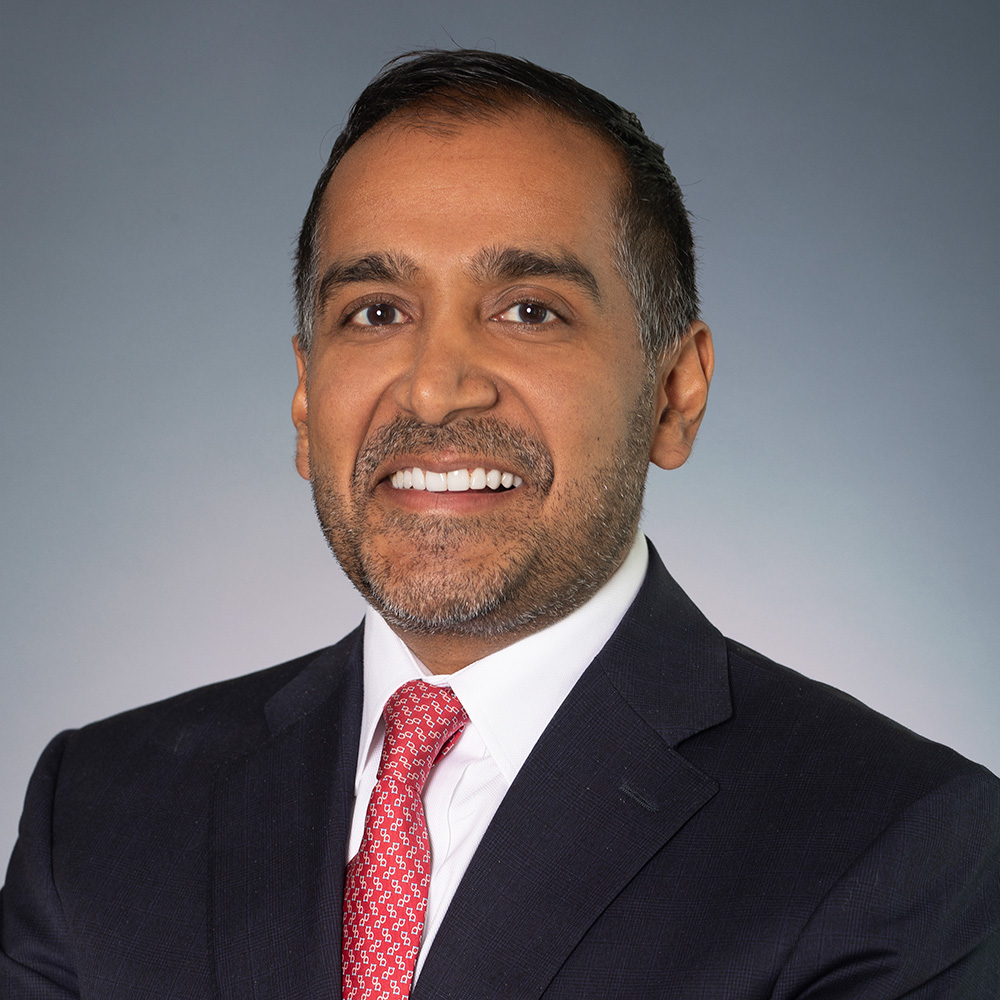
Sachin (pronounced SUCH-in) H. Jain, MD, MBA is CEO of SCAN Group and SCAN Health Plan. SCAN is a nonprofit organization with annual revenues of $8B that serves nearly 500,000 people across Arizona, California, Nevada, New Mexico, Texas, and Washington.
Previously, Dr Jain was president and CEO of CareMore and Aspire Health. He also served as chief medical information & innovation officer at Merck & Co., was senior advisor to the administrator of the Centers for Medicare & Medicaid Services (CMS) and was the first deputy director for policy and programs at the Center for Medicare and Medicaid Innovation. He was also special assistant to the national coordinator for Health Information Technology.
Dr Jain graduated from Harvard where he earned his AB, MD, and MBA degrees. He is adjunct professor at the Stanford University and a member of the boards of Omada Health, Advantage Healthcare Services, The Paul & Daisy Soros Fellowships for New Americans, and the UCLA Fielding School of Public Health. He is an advisor to LRV Ventures, Obvious Ventures, and Team8. He also serves on the editorial board of Health Affairs and the American Journal of Managed Care. He is a member of the Aspen Health Strategy Group (AHSG), an initiative of the Health, Medicine & Society Program of the Aspen Institute and elected member of the National Academy of Social Insurance. Dr Jain is also the author of the forthcoming book, The Moral Alibi: How Healthcare Learned to Look Away—and How We See Again (themoralalibi.com).
Amelia Sattler, MD
Stanford University
Aims before Algorithms: A Problem-Driven Approach to AI
Session Overview
Artificial intelligence (AI) is transforming clinical care, medical education, and research. While AI has significant potential, meaningful integration remains challenging. When AI-powered tools are developed in technology silos without close collaboration with key stakeholders, real-world impact is limited. Even the most powerful AI tools lack practical value if they aren’t conceptualized, designed and integrated to address clearly defined and meaningful problems. These challenges highlight the need for a problem-driven approach to AI development and adoption.
This session will present a practical framework for advancing AI initiatives grounded in quality improvement (QI) principles. Drawing on Dr. Sattler’s experience as a clinician and improvement-focused innovator, the session will use examples across clinical care, education and research to illustrate how AI can be applied to address real-world challenges. Emphasis will be placed on identifying meaningful problems as the necessary starting point for exploring AI-enabled solutions and using iterative, small-scale testing to evaluate their impact.
This session will also highlight the importance of collaboration among key stakeholders and technology developers to ensure that AI tools are responsive to real-world needs. Participants will be encouraged to view themselves not as passive users of AI, but as active contributors to its thoughtful development and implementation. The session will also address potential benefits, limitations, and risks of AI use.
Learning Objectives
Upon completion of this session, participants should be able to:
- Describe practical examples for meaningfully integrating AI into clinical practice, education and research.
- Apply a quality improvement-informed, problem-driven approach to advance a personal AI goal.
- Evaluate potential benefits, limitations and risks of AI use.
About the Presenter
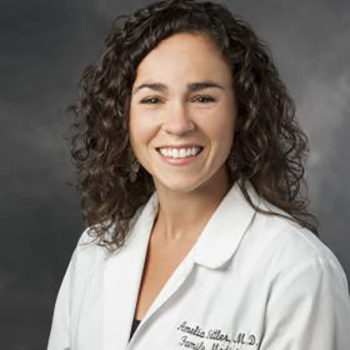
Amelia Sattler, MD, is a family physician and problem-solver. Her medical training began while seated around the dinner table in rural northern California where, as a child, she was inspired by the joy that her parents experienced working as family practitioners. She ventured to Mayo Medical School in Rochester, MN, where she was “raised” in a culture of medicine that prioritizes the needs of patients. She returned to California to train at Stanford's O'Connor Family Medicine Residency Program. After residency she joined Stanford Family Medicine, where she continues to see patients.
Dr Sattler holds three leadership roles. She is an associate program director of the Stanford Healthcare AI Applied Research Team ("HEART") and works with teams to study and implement AI technologies to solve specific, practical problems in healthcare. She is the primary care program director of integrated behavioral health and is partnering with psychiatry, social work and primary care teams to build a collaborative care model at Stanford Primary Care. She is also the associate section chief for program innovation in the Division of Primary Care and Population Health where she collaborates with providers and operational leadership to amplify the impact of their 30+ innovative primary care programs.
Gary LeRoy, MD
American Board of Family Medicine
The Art of Noticing Unnoticed Wisdom: Why This, Why Now, Why Me (Us)?
Session Overview
This presentation reflects on the evolving purpose, responsibility, and resilience of family physicians in a rapidly changing health care environment. Drawing from three decades of leadership, teaching, and historical keynote addresses, the speaker invites attendees to reconsider how physicians grow professionally while remaining grounded in the relational and moral foundations of medicine. By contrasting the non-binary curiosity and joy of childhood development with the rigid, outcome-driven mindset common in adult professional life, the presentation reframes burnout as a loss of meaning rather than a lack of effort or reward.
Through storytelling, reflection, and selected excerpts from past speeches, learners are encouraged to rediscover “unnoticed wisdom,” celebrate the concept of “enough,” and intentionally remove fear, frustration, anger, threat, and terror from their lives. The presentation affirms family medicine as a countercultural force—one grounded in presence, advocacy, ethical leadership, and service that cannot be replaced by technology or commoditized models of care. Ultimately, this talk serves as a call to action for physicians to remember why they entered medicine, honor the privilege of board certification, and press the call button when society asks for a doctor—leading with courage, humility, and compassion.
Learning Objectives
Upon completion of this session, participants should be able to:
- Compare and contrast the differences between non-binary childhood developmental milestones and binary adult life hurdles.
- Better understand how not to fall out of love with the art and the science of medicine.
- Learn how to recognize and celebrate “enough.”
About the Presenter
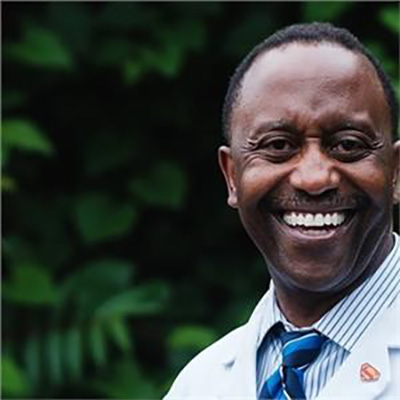
Gary L. LeRoy (Lah-Roy), MD, is the senior vice president for diplomate experience at the American Board of Family Medicine—located in Lexington, KY.
Dr LeRoy is a native of Dayton, OH, and graduated from Wright State University. He completed family medicine residency training in Dayton and a family medicine teaching fellowship at Michigan State University.
Over the past 3 decades, Dr LeRoy has continued serving the citizens of Dayton in his urban clinical practice, while serving as associate dean of student affairs and admissions at the Wright State University Boonshoft School of Medicine for 14 years, president of the Ohio Academy of Family Physicians (2005–06), and president of the American Academy of Family Physicians (2020–21).
Questions?
If you have questions about this conference, contact staff at (800) 274-7928 or the email link below.
CONTACT STAFF WITH QUESTIONS