Other Resources by Type
Career Development
Glossary of Terms and Acronyms
Use this glossary to get definitions and learn about organizations involved in family medicine.
Residency Recruitment Resources
STFM has compiled several resources to help family medicine residency programs with recruiting and interviewing medical students, and resources to help medical students position themselves as strong candidates for their preferred choice of residency program for match.
Student Leadership Opportunity
STFM leadership opportunities include serving on the STFM Board of Directors and the Medical Student Education Committee. The STFM Board includes one student member who is elected at the AAFP FUTURE Conference. The student member of the Board also serves a term on the STFM Medical Student Education Committee.
Conference Education
STFM Annual Spring Conference
Attend the STFM Annual Spring Conference to collaborate and network with approximately 1500 family medicine faculty, residents, medical students, and other academic leaders.
STFM Conference on Medical Student Education
The STFM Conference on Medical Student Education provides the opportunity for educators and learners to obtain the skills and resources to help students become proficient, empathetic, cooperative, and innovative physicians.
STFM Conference on Practice & Quality Improvement
Come be on the leading edge of evolving health care at the STFM Conference on Practice & Quality Improvement. Join other health care professionals invested in transforming their medical practice or residency program to benefit patients.
Networking
STFM CONNECT
One of the greatest benefits of STFM membership is the opportunity to network and collaborate with others to address special interests and work toward common goals. STFM CONNECT, an online hub for Collaboratives, Special Project Teams, and discussion forums is the place to start if you’re interested in connecting and collaborating.
STFM Member Directory
As an STFM student member, you can access the member directory with profiles and contact information for thousands of family medicine educators, residents, and students.
Quick Consult
Quick Consult is an online mentoring platform that links STFM members in search of guidance/advice with seasoned peers interested in sharing their wisdom and expertise.
Online Learning
Advocacy Course
This free online course, which takes less than an hour to complete, provides skills and practical strategies for advocating for and promoting the value of family medicine. The course includes these modules: Getting Started in Advocacy; Prepare and Make Contact; The One-Pager; The Visit; Maintaining the Relationship.
Faculty for Tomorrow Webinars
This free webinar series, developed by the Faculty for Tomorrow Task Force, provides fundamental knowledge and skills that residents and new faculty need to thrive in a career in academic family medicine. Topics include effective classroom teaching, how to give feedback, clinical teaching skills, and more.
Financial Wellness Education for Academic Family Medicine Professionals
STFM prioritizes educating and assisting academic family medicine professionals, residents, and medical students who want to learn more about personal finance and improve their financial health and future. These free resources, which are provided through a partnership with Equitable Advisors, can enhance the financial acumen of educators and learners within the specialty of family medicine.
Student Onboarding Modules
These three online training modules for students are designed to provide practical skills that will benefit you during your clinical rotations. Each will take about 20–25 minutes to complete, and can be accessed and reviewed at any time.
Telemedicine Curriculum
Use this curriculum to get the knowledge and skills you need to conduct effective, patient-centered telemedicine visits.
Time Management Course
This online course introduces practical, proven methods to help you focus not only your day, but your weeks, months, and even your year. This course provides actionable tips and strategies on every page, and includes a Time Management Toolkit that will let you experiment with different techniques that work for you.
What Is Academic Family Medicine?
This free, recorded event provides an overview of faculty positions and tips on how to choose a focus and find a good career fit.
Opportunities for National Presentations
STFM welcomes abstract submissions from students in all categories for all of our conferences. We have designated opportunities for:
- Fellows, Residents, Students Works-in-Progress Research Posters at the STFM Annual Spring Conference
- Resident and student posters and team presentations at the STFM Conference on Practice and Quality Improvement
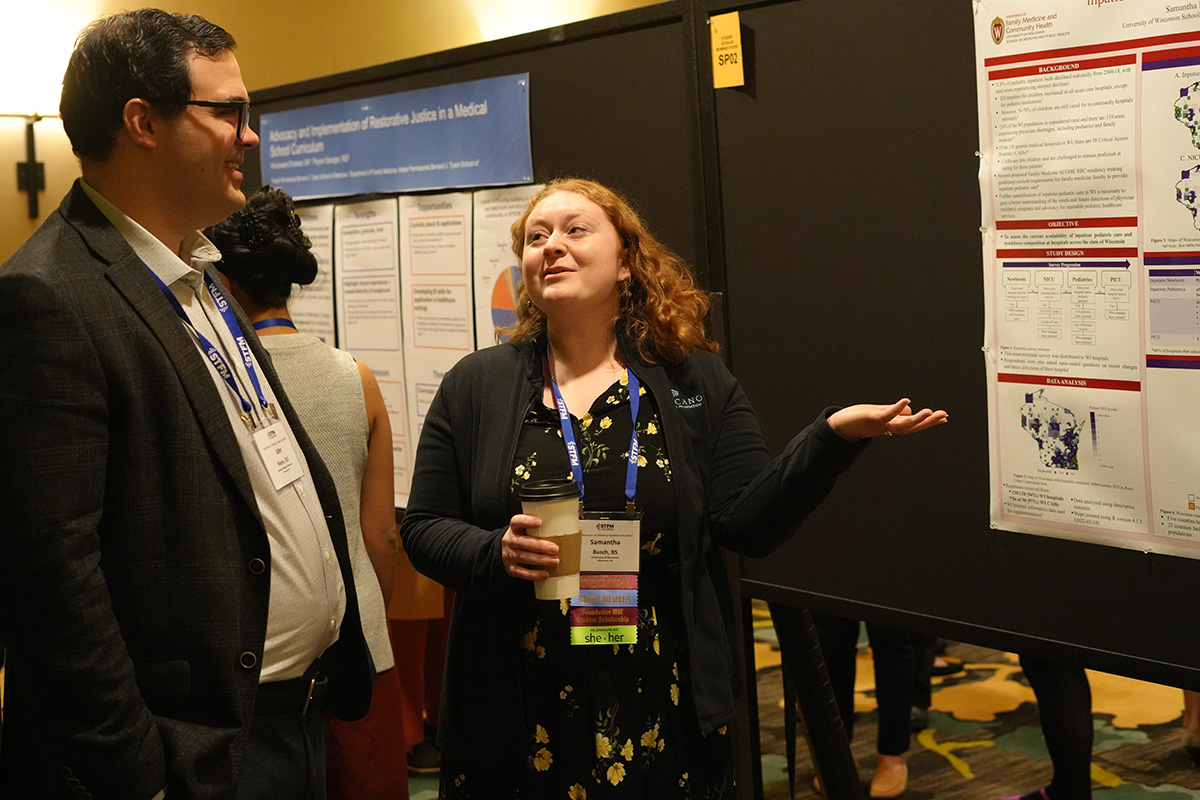
- Posters at the STFM Conference on Medical Student Education
Tips for New Researchers
This resource includes tips on submitting abstracts for STFM conferences, how to implement quality improvement projects, and guidance on writing a hypothesis.
Peer-Reviewed Journals
Family Medicine
Student members of STFM can read the official, online peer-reviewed journal of the Society of Teachers of Family Medicine, Family Medicine. Family Medicine publishes original research, systematic reviews, narrative essays, and policy analyses relevant to the discipline of family medicine, with a focus on primary care medical education, health workforce policy, and health services research.
Peer-Reviewed Reports in Family Medicine Research (PRiMER)
PRiMER, STFM’s online open-access journal, publishes brief reports on original research relevant to education in family medicine. PRiMER serves as a bridge between the presentation of research results at conferences and the development of full-length articles suitable for submission to traditional print journals. Manuscripts can be based on studies or projects that are small in scope, exploratory, confirmatory, or in an early stage of development.
Preclerkship Onboarding
Get ready to hit the ground running when you enter your clinical rotations. Use the following resources to prepare for your rotations so that you can maximize your learning and add value to the practice during your rotation.
How to Be Awesome in an Ambulatory Clinical Rotation
Read this document prior to beginning your clinical rotations for practical strategies on how to be a valuable addition to your rotation practice. Review the tips and strategies in this document so that you can become a valuable member of the team, improve the quality of care for your patients, and gain critical experience during your rotation.
Student Onboarding Modules
These three online training modules for students are designed to provide practical skills that will benefit you during your clinical rotations. Each will take about 20-25 minutes to complete, and can be accessed and reviewed at any time.
Student Onboarding Passport for Clinical Training Sites
This passport will provide your preceptor with basic information about your training, screenings, previous clinical rotations, and objectives for the current clinical rotation. You will create an account on the online passport site, fill out all the information, download a PDF passport, and send it to your school administrator to be completed and sent to your preceptor. This will help your preceptor quickly understand your learning goals and background, which will help you maximize your learning at your rotation.
Scholarships
STFM Foundation Student Scholarship
The STFM Foundation Student Scholarship recognizes students’ passion for family medicine and teaching. Recipients of the award receive free registration to the STFM Conference on Medical Student Education and a $500 scholarship to cover travel costs. Winning students present posters at the conference and network with family medicine educators from across the country. This program is funded by the STFM Foundation.