Other Resources by Type
Awards
CERA Best Paper Award
The CERA Best Paper Award recognizes a research paper using CERA survey data that was published in a peer-reviewed journal the previous academic year.
Curtis G. Hames Research Award
The Curtis G. Hames Research Award honors those individuals whose careers over the years exemplify dedication to research in family medicine. The award recipient is selected by a committee representing STFM, the American Academy of Family Physicians, and the North American Primary Care Research Group. This award is supported by the Department of Family Medicine through the MCG Foundation's Hames Endowment of the Medical College of Georgia at Augusta University.
F. Marian Bishop Leadership Award
Established in 1990 in honor of Dr F. Marian Bishop, the F. Marian Bishop Leadership Award is presented by the STFM Foundation to honor individuals who have significantly enhanced the credibility of family medicine by a sustained, long-term commitment to family medicine in academic settings.
Lynn & Joan Carmichael STFM Recognition Award
The Lynn and Joan Carmichael STFM Recognition Award honors an STFM member or nonmember for outstanding leadership in advancing family medicine as a discipline. The nominee's achievements and activities should be clearly recognized as enhancing or supporting family medicine education by improving resources available for its support, by defense or support of its objectives, or by other notable service to the discipline. Such achievements should have had significance at a national level.
STFM Advocate Award
The STFM Advocate Award honors member(s) for outstanding work in political advocacy at the local, state, or national level. The recipient's efforts are not restricted to legislative work but cannot be solely individual patient advocacy.
STFM Diversity Award
The STFM Diversity Award recognizes a member who best promotes innovative leadership, impact, and change that advances diversity, equity, and/or inclusion in family medicine education through the nominee’s work as a family medicine faculty member.
STFM Excellence in Education Award
Designed to honor outstanding teachers, the STFM Excellence in Education Award recognizes an STFM member who has demonstrated excellence in teaching, curriculum development, mentoring, research, or leadership in education at regional or national levels. Nominees must have sustained involvement in family medicine teaching.
STFM Innovative Program Award
The STFM Innovative Program Award honors excellence in the development of an original educational program or activity for family medicine residents, students, or faculty. The award recognizes a broad interpretation of innovative family medicine programs to include innovative residency programs, clerkships, services, curricula, or other activities that have had a significant, positive impact on family medicine education.
STFM Precepting Awards
The STFM Precepting Awards recognize teaching contributions by individuals and teaching practices. Medical schools and residency programs can nominate teachers and teaching practices that meet the criteria. The awards are intended for those who precept students, particularly community preceptors/practices.
STFM Research Paper of the Year Award
The STFM Research Paper of the Year Award recognizes the best research paper published in a peer-reviewed journal during the previous academic year. The first author must be an STFM member. The STFM Research Committee bases the award selection on the quality of the research and its potential impact.
Career Development
ASCEND Mentorship Program
The STFM ASCEND Mentorship Program pairs early-career faculty with mentors to help guide them on a pathway to success in academic medicine. The focus is on addressing barriers for career advancement, giving tips on overcoming those barriers, and helping guide faculty toward careers that are rewarding and fulfilling.
Behavioral Science/Family Systems Educator Fellowship
This competitive fellowship is for family medicine faculty who have responsibility for coordinating or teaching the behavioral science/family systems curriculum.
CERA Fellowship
The CERA Fellowship provides one faculty member a yearlong experience with the CERA Steering Committee. Through this part-time fellowship, faculty receive mentorship and training to lay the groundwork to be a future scholarly leader.
Emerging Leaders Fellowship
The Emerging Leaders Fellowship offers training, tools, and support for new faculty and those who are transitioning to leadership roles. Fellows learn essential leadership skills; lead a team in completion of a project and then present their results; and get connected to family medicine leaders who share tips on motivating others and handling difficult people and situations.
Faculty Development Delivered
Use Faculty Development Delivered to meet ACGME and/or LCME requirements, save on travel expenses, and provide CME opportunities with a customized faculty development workshop at your location. Our faculty will use interactive methods to engage your faculty and promote evidence-based teaching principles. Pay one lump sum and invite your faculty and preceptors.
Faculty Development Starter Package for Residencies
The Faculty Development Starter Package for Residencies is a compilation of STFM resources to help new residency programs:
- Understand and meet accreditation requirements
- Prepare faculty to provide quality education to residents
Family Medicine Careers
Ready to begin your career? Start your job search.
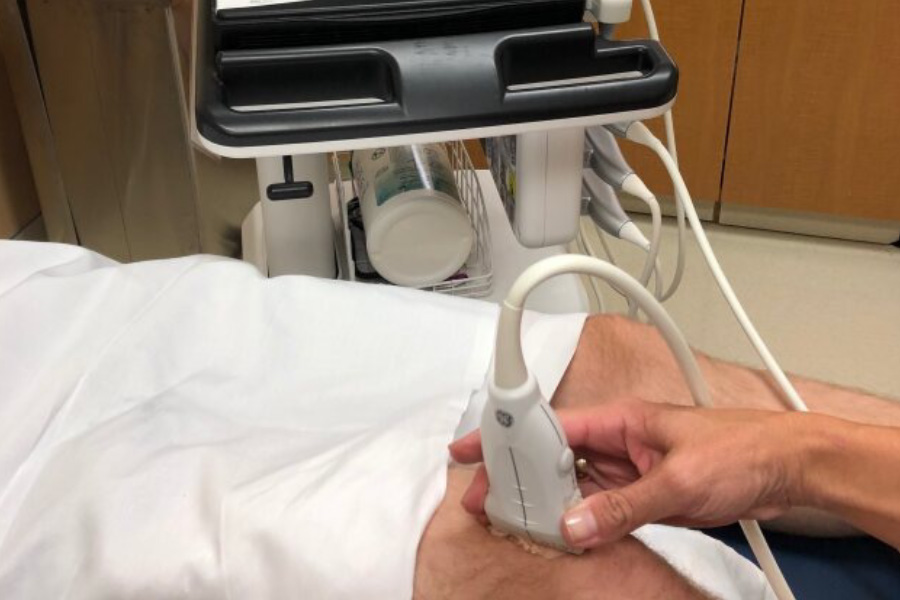
FM POCUS Educator's Certificate Program
During this yearlong certificate program, residency faculty:
- Practice POCUS techniques and image acquisition
- Receive instruction on the clinical indications of and evidence on the use of POCUS at the bedside
- Learn how to implement a POCUS curriculum
- Practice how to be an effective POCUS preceptor
- Learn how to communicate and document POCUS scans
- Receive practical guidance on how to bill for POCUS
- Connect with a network of FM POCUS enthusiasts around the country
Glossary of Terms and Acronyms
Use this glossary to get definitions and learn about organizations involved in family medicine.
Leadership Opportunities With STFM
STFM leadership opportunities include serving on the STFM Board of Directors or one of several committees.
Leadership Through Scholarship Fellowship
The yearlong Leadership through Scholarship Fellowship offers training and mentorship for early-career underrepresented in medicine (URM) minority faculty with a focus on developing scholarly writing skills for academic advancement and leadership.
Medical Editing Fellowship
The STFM Medical Editing Fellowship provides one faculty member a yearlong experience with the editorial and publishing teams at Family Medicine. Through this part-time, virtual fellowship, early or mid-career faculty receive coaching and hands-on experience to improve their skills in writing, reviewing, and editing scientific papers.
Residency Faculty Fundamentals Certificate Program
The Residency Faculty Fundamentals Certificate Program provides foundational training for family medicine residency faculty. This certificate program includes 14 self-led online courses with assignments to provide foundational training for residency faculty.
Precepting Performance Improvement Toolkit
Recognize and reward your preceptors. The American Board of Family Medicine (ABFM) Precepting Performance Improvement Program allows academic units (sponsors) to offer Performance Improvement credit to family physicians who teach medical students or residents and who participate in a teaching improvement activity. This toolkit offers resources and information for Sponsors.
Conference Education
STFM Annual Spring Conference
Attend the STFM Annual Spring Conference to collaborate and network with approximately 1500 family medicine faculty, residents, medical students, and other academic leaders.
STFM Conference on Practice & Quality Improvement
Come be on the leading edge of evolving health care at the STFM Conference on Practice & Quality Improvement. Join other health care professionals invested in transforming their medical practice or residency program to benefit patients.
Curriculum for Resident Education
Addiction Medicine Curriculum
This national addiction curriculum includes 12 addiction medicine modules with interactive content, handouts, videos, supplemental resources, and assessments.
Artificial Intelligence and Machine Learning for Primary Care Curriculum (AiM-PC)
Artificial intelligence and machine learning (AI/ML) are transforming primary care, and learners want to participate in the revolution. STFM's AI/ML Curriculum aims to equip learners with the skills needed to be engaged stakeholders, use AI/ML in their practice, and ensure responsible and ethical use of AI/ML.
Behavioral Science Curriculum
The Behavioral Science Curriculum is a comprehensive, interactive online curriculum for behavioral science (BS) faculty and behavioral health training in family medicine.
Family Medicine Residency Curriculum Resource
The Family Medicine Residency Curriculum Resource houses peer-reviewed, competency-based curricular content organized by post-graduate year. The site includes presentations, facilitators’ guides, and quizzes for more than 200 residency topics. New curricula are added and updated on a regular basis.
Global Health Curriculum Toolkit
This guide for implementing a Global Health curriculum covers a broad list of topics that could be included in a global health track.
Pharmacists as Educators in FMR Programs
This website was developed by the STFM Pharmacist Faculty Collaborative and contains a compilation of resources for new and seasoned pharmacist educators.
Practice Management Handbook
Family medicine is one of the most diverse, interesting, and rewarding fields of medicine. We serve patients of all ages, with a wide variety of clinical conditions, and in many clinical settings. Use the Practice Management Handbook to learn how to run an effective and efficient practice.
Residents as Educators Curriculum
This curricula, created by the Faculty for Tomorrow Task Force, can be used for didactic presentations to enhance residents' teaching skills. Each curriculum includes a PowerPoint presentation, facilitator's guide, and a quiz.
Smiles for Life
Developed by the STFM Oral Health Collaborative, this online and downloadable curriculum emphasizes the role of primary care clinicians in the promotion of oral health. Each module includes a 45-minute presentation, annotated presenter notes, educational objectives, test questions, companion videos, and a list of resources.
Telemedicine Curriculum
Use this curriculum to get the knowledge and skills you need to conduct effective, patient-centered telemedicine visits.
Networking
STFM CONNECT
One of the greatest benefits of STFM membership is the opportunity to network and collaborate with others to address special interests and work toward common goals. STFM CONNECT, an online hub for Collaboratives, Special Project Teams, and discussion forums, is the place to start if you’re interested in connecting and collaborating.
STFM Member Directory
As an STFM member, you can access the member directory with profiles and contact information for thousands of family medicine educators, residents, and students.
Quick Consult
Quick Consult is an online mentoring platform that links STFM members in search of guidance/advice with seasoned peers interested in sharing their wisdom and expertise.
Online Learning
Advocacy Course
This free online course, which takes less than an hour to complete, provides skills and practical strategies for advocating for and promoting the value of family medicine. The course includes these modules: Getting Started in Advocacy; Prepare and Make Contact; The One-Pager; The Visit; Maintaining the Relationship.
Faculty Skills Course
The Faculty Skills Course provides you in-depth, fully online training in fundamental skills you'll need as a faculty member, including time management, incorporating learners into your clinical workflow, and writing for academic publication.
Giving Feedback Course
Giving feedback is a critical part of teaching future family physicians, but giving consistent, quality feedback can sometimes be challenging. This online course will introduce you to the principles of giving quality feedback and then take you to the next level by showing you when to give feedback, where, and what models you can use.
Leading Change Course
Learn to lead change in your institution, within your community, and nationally. The Leading Change Course covers how to assess the need for change, develop a plan for change, and provide successful change leadership. This online course contains interactive modules, a downloadable Leading Change Workbook for individual learners, 18 optional group activities, and video interviews with change leaders.
Teach POCUS Online Modules
This series of modules, created specifically for family medicine educators by family medicine educators, provides the background and understanding you need to start or advance the POCUS training at your program.
Time Management Course
This online course introduces practical, proven methods to help you focus not only your day, but your weeks, months, and even your year. This course provides actionable tips and strategies on every page, and includes a Time Management Toolkit that will let you experiment with different techniques that work for you.
Understanding Health Systems
The Understanding Health Systems online courses and curriculum help faculty and residents:
- Understand how decisions are made in health systems
- Advocate for business-based solutions that incorporate the needs of medical education, family medicine, and health systems
URM Leadership Pathways in Academic Medicine
In this free online course, underrepresented in medicine (URM) faculty will learn about trajectories to academic leadership within a variety of institutions.
Other Online Learning
Faculty Competencies for Family Medicine
STFM's Faculty Competencies are designed to be modular, flexible, and adaptable for use by interdisciplinary faculty in all types of family medicine programs for self-assessment, personal goal setting, and engaging in planning conversations with mentors and leaders.
Faculty for Tomorrow Webinars
This free webinar series, developed by the Faculty for Tomorrow Task Force, provides fundamental knowledge and skills that residents and new faculty need to thrive in a career in academic family medicine. Topics include effective classroom teaching, how to give feedback, clinical teaching skills, and more.
Financial Wellness Education for Academic Family Medicine Professionals
STFM prioritizes educating and assisting academic family medicine professionals, residents, and medical students who want to learn more about personal finance and improve their financial health and future. These free resources, which are provided through a partnership with Equitable Advisors, can enhance the financial acumen of educators and learners within the specialty of family medicine.
Graduate Medical Education Webinars
This webinar series fills a critical gap by providing accessible, real-time conversations with seasoned GME leaders who have built meaningful and sustainable careers.
Mentoring in Medicine Online Training Modules
Mentoring in Medicine is a series of brief training modules for current and future mentors in academic family medicine. The modules are free to access and are based on the literature on faculty mentoring other faculty. However, they can also apply to situations where faculty mentor learners (residents and students).
STFM Webinars on Family Medicine Education
STFM Webinars provide information on key skills for faculty and ways to use member resources. Develop the knowledge you need to thrive in your career in academic family medicine.
Tips for New Family Medicine Faculty
Opportunities for National Presentations and Research
CERA (CAFM Educational Research Alliance)
Meet scholarly activity requirements through CERA, a free resource for medical educational research. With CERA you can survey family medicine educators, receive help from an experienced researcher, and access data from past surveys for secondary analysis.
Opportunities to Present at National Conferences
STFM welcomes abstract submissions from residency faculty for our conferences. Residency faculty might be most interested in submitting to present at the:
Tips for New Researchers
This resource includes tips on submitting abstracts for STFM conferences, how to implement quality improvement projects, and guidance on writing a hypothesis.
Publications
Family Medicine
Resident members of STFM can read the official, online peer-reviewed journal of the Society of Teachers of Family Medicine, Family Medicine. Family Medicine publishes original research, systematic reviews, narrative essays, and policy analyses relevant to the discipline of family medicine, with a focus on primary care medical education, health workforce policy, and health services research.
Peer-Reviewed Reports in Family Medicine Research (PRiMER)
PRiMER, STFM’s online open-access journal, publishes brief reports on original research relevant to education in family medicine. PRiMER serves as a bridge between the presentation of research results at conferences and the development of full-length articles suitable for submission to traditional print journals. Manuscripts can be based on studies or projects that are small in scope, exploratory, confirmatory, or in an early stage of development.
STFM Blog
Be part of the conversation on the STFM blog! Share your ideas about how to improve family medicine education and offer new perspectives on the role of family medicine in the health care system. The STFM Blog welcomes contributions.
STFM Education Column
The STFM Education Column is published monthly on the STFM website and in the STFM Messenger email newsletter. If you'd like to author an upcoming STFM Education Column, view submission details.
STFM Messenger
Read each issue of STFM’s email newsletter, the STFM Messenger, to keep informed on new products and services, conference submission and registration deadlines, the STFM Education Column, and legislation and accreditation changes that affect academic family medicine. The STFM Messenger is emailed to members twice a month.
STFM Podcast
The STFM Podcast features conversations on key areas at the intersection of academic medicine, leadership, health equity, and medical education.
Scholarships
Advocacy Scholarship for New Faculty
This scholarship is for new faculty to attend the Family Medicine Advocacy Summit in Washington, DC, for the purpose of learning advocacy skills for personal and academic career development.
New Faculty Scholars Program
The STFM New Faculty Scholars Program is designed to be a catalyst for developing future leaders in STFM and other areas of academic family medicine. The program provides funding to send participants to the STFM Annual Spring Conference.
Teaching Resources
Behavioral Science Basics
Access a compilation of teaching and clinical care resources for new and seasoned behavioral health/family systems educators, including curriculum, patient care resources, key articles, books, evaluation tools, and presentations.
Diversity, Equity, Inclusion, and Accountability Aggregated Resources
Learn about STFM's antiracism and health equity initiatives, and access a compilation of resources.
Competency-Based Medical Education Toolkit
Use the CBME Toolkit to learn about ACGME and ABFM expectations for assessing resident competence. Access resources for competency based education and assessment.
Family Medicine Residency Learning Network Aggregated Resources
Access faculty development, guides, and infrastructure support to meet ACGME FM-RC expectations for participation in residency learning networks.
Holistic & Inclusive Residency Recruitment Aggregated Resources
Increasing the diversity in residency programs requires intentional planning for each step of recruitment. Use these resources to learn about evidence-based practices in holistic review of applications, as well as methods for reducing bias in the residency interview process.
Joint Guidelines for Protected Nonclinical Time for Faculty in Family Medicine Residency Programs
These guidelines, endorsed by the family medicine organizations, include recommendations for allocation of protected time for program directors, associate program directors, and core faculty. These represent best practices to ensure programs have appropriate time to devote to the nonclinical duties of training and educating residents, while also promoting innovation in education, faculty well-being, and faculty retention. Residency programs, sponsoring institutions, universities, health care systems, and accrediting bodies should use these recommendations to develop budgets that provide appropriate time allocation to enhance faculty wellness, reduce turnover, and meet organizational missions and objectives around education and providing care for communities.
Residency Accreditation Toolkit
Use the Residency Accreditation Toolkit to get tips, techniques, and tools to help your program meet ACGME accreditation requirements. Streamline processes, train your faculty, empower your residency coordinator, use technology for accreditation support, and create a culture of assessment and performance improvement.
Residency Recruitment Resources
STFM has compiled several resources to help family medicine residency programs with recruiting and interviewing medical students, and resources to help medical students position themselves as strong candidates for their preferred choice of residency program for match.
Resources for Reducing Mental Health Stigma for Faculty, Residents, and Students
Questions on state licensing applications and those used for hospital, medical group, and health plan credentialing should not deter physicians, faculty, residents, and students from getting the care they need. Use these resources to learn advocate for change.
TeachingPhysician.org
TeachingPhysician.org is a comprehensive online resource that streamlines training, answers questions, and communicates regularly with preceptors on your behalf. It helps institutions recruit, train, and retain community preceptors and meet accreditation requirements for faculty development.