Announcing the 2026 STFM Awards Winners
Congratulations to the 2026 winners of the esteemed STFM awards. The winners will be recognized during the STFM Annual Spring Conference in New Orleans, LA, on May 3, 2026.
April 6, 2026—STFM is thrilled to announce the 2026 winners of 10 of the organization's annual awards. Winners will be recognized during the 2026 STFM Annual Spring Conference in New Orleans, LA. The awards ceremony will be Sunday, May 3, at 3:45 pm at the conference hotel: the Marriott New Orleans.See below for the winners, their bios, and descriptions of each award.
Curtis G. Hames Research Award
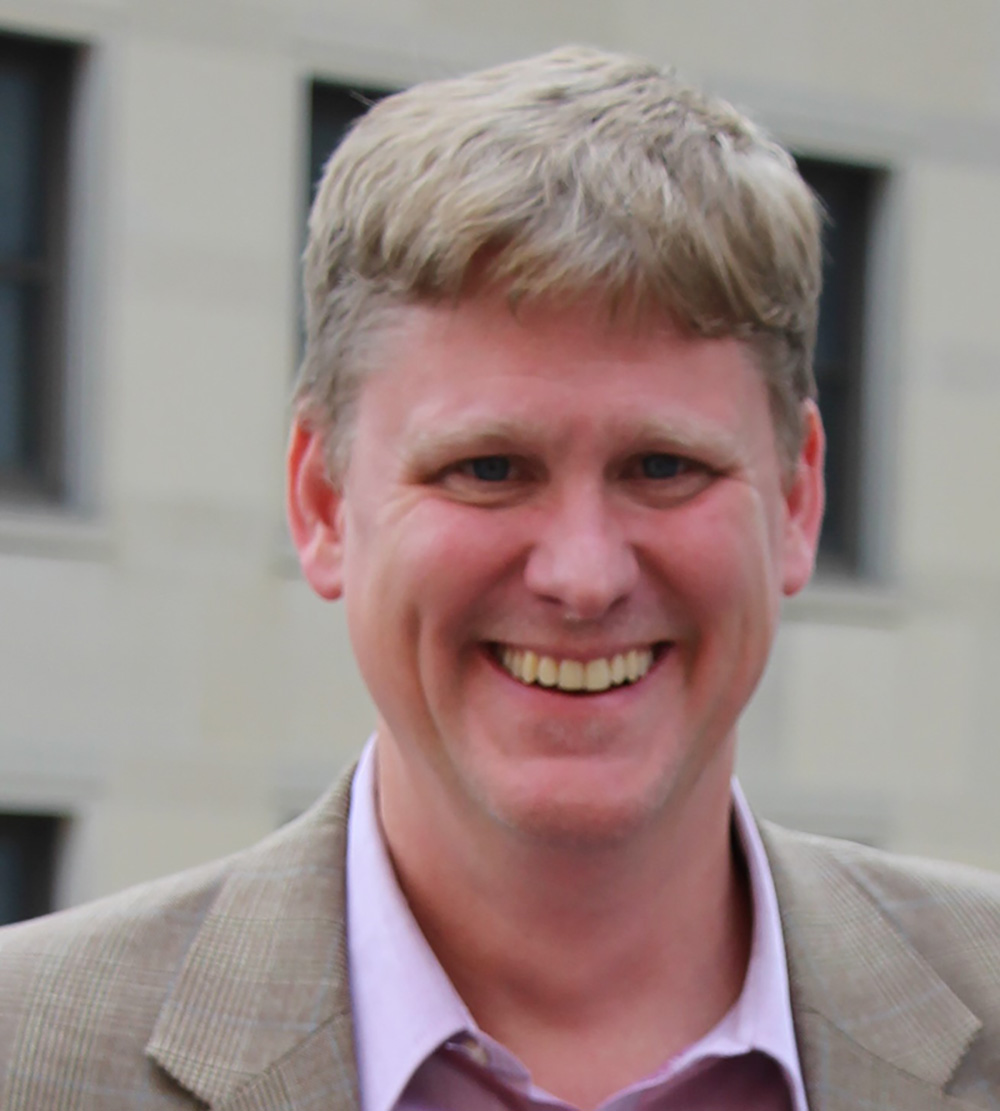
Alex Krist, MD, MPH, is a professor of Family Medicine and Population Health at Virginia Commonwealth University (VCU) in Richmond, VA, and a practicing family physician at the Fairfax Family Practice residency. Dr Krist is the director of the Virginia Ambulatory Care Outcomes Research Network (ACORN), a collection of more than 500 primary care practices throughout Virginia representing the full spectrum of primary structures and cultures that conduct research that matters to primary care. He is leading multiple projects with numerous community partners in Central, Eastern, and Northern Virginia to improve access to care, address health equity, improve quality of care, develop policies to address the opioid epidemic, evaluate new cancer screening tests, and conduct pragmatic trials to inform common primary care practices.Through these activities, Dr Krist is connected with the stakeholders throughout Virginia, and his work has resulted in sustained improvements to primary care and communities throughout Virginia. Dr Krist is a former member and past chair of the US Preventive Services Task Force and the director of community engaged research for VCU's Wright Regional Center for Clinical and Translational Research. He is a member of the National Academies of Sciences, Engineering, and Medicine (NASEM) and is actively involved with efforts around cancer screening, the future of primary care, social needs, and Whole Health. He served as a member of NASEM’s Implementing High Quality Primary Care committee, was the co-chair of the committee on Achieving Whole Health for Veterans and the Nation, and is a member of the Standing Committee for Primary Care.
The Curtis G. Hames Research Award honors those individuals whose careers over the years exemplify dedication to research in family medicine. The award recipient is selected by a committee representing STFM, the Association of Departments of Family Medicine, and NAPCRG.
F. Marian Bishop Leadership Award
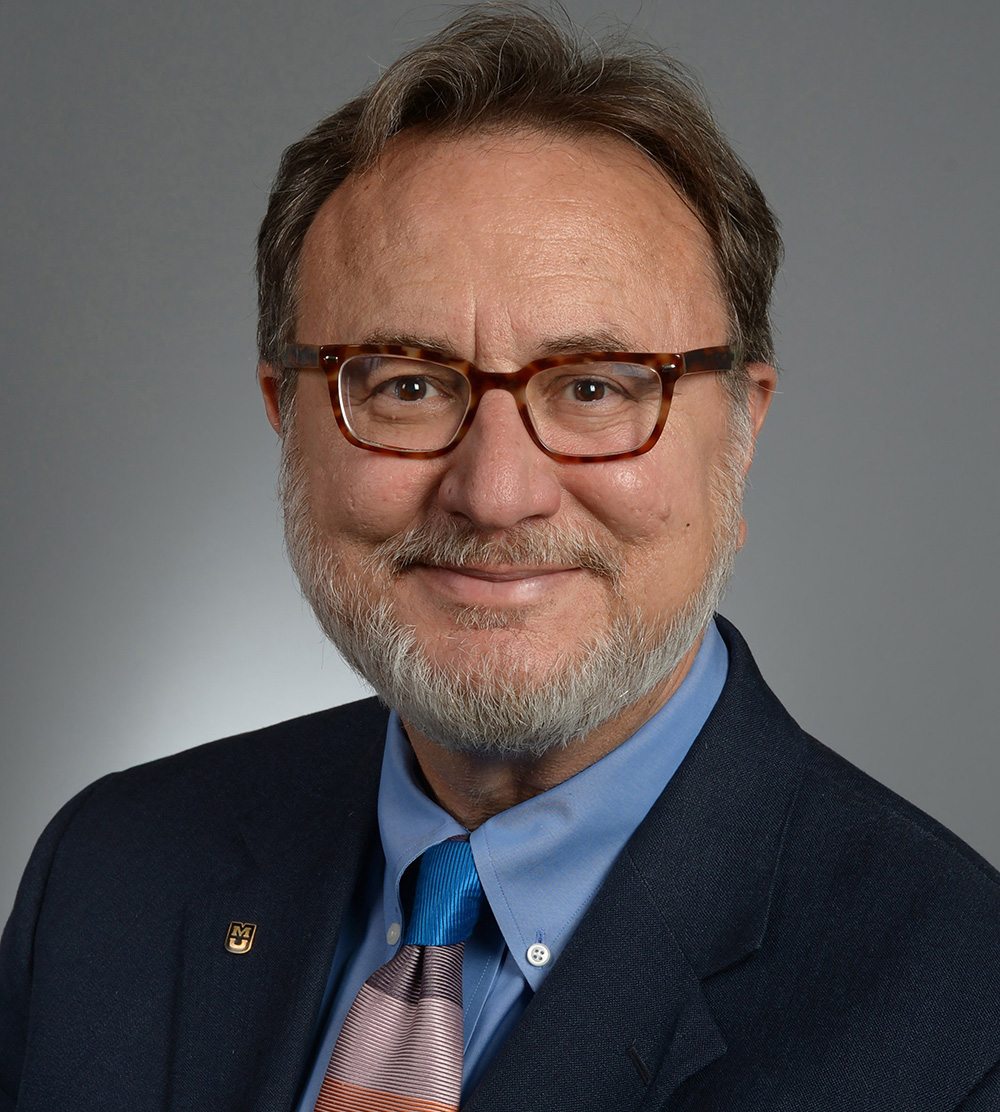
Steven Zweig, MD, MSPH, is professor emeritus in the Department of Family and Community Medicine (FCM) at the University of Missouri (MU) School of Medicine. He retired in October 2022, after serving as dean at MU.Before joining the dean’s office, Dr Zweig was the Jack and Winifred Colwill chair of Family and Community Medicine at MU for 11 years. He is a family physician with additional certifications in geriatric medicine and hospice and palliative medicine. As dean, Dr Zweig emphasized teamwork, infrastructure and leadership development, and rational, fair, and transparent policies to facilitate the success of medical school faculty and staff.In 3 years, faculty doubled research awards to the medical school and Dr Zweig hired 12 department chairs, going from one to six women chairs. In his last year as dean, the entering class was both the most diverse and academically qualified in the school’s history.Dr Zweig most enjoys helping leaders be successful. He currently co-leads the Physician Leadership Development Academy at the University of Missouri, is a faculty mentor in the Association of Departments of Family Medicine (ADFM) LEADs leadership development program, and coordinates the ADFM/MU New Chairs workshop in Columbia, MO.
Established in 1990 in honor of Dr F. Marian Bishop, the F. Marian Bishop Leadership Award is presented by the STFM Foundation to honor senior leaders who have significantly enhanced the credibility of family medicine by a sustained, long-term commitment to family medicine in academic settings.
Lynn and Joan Carmichael STFM Recognition Award
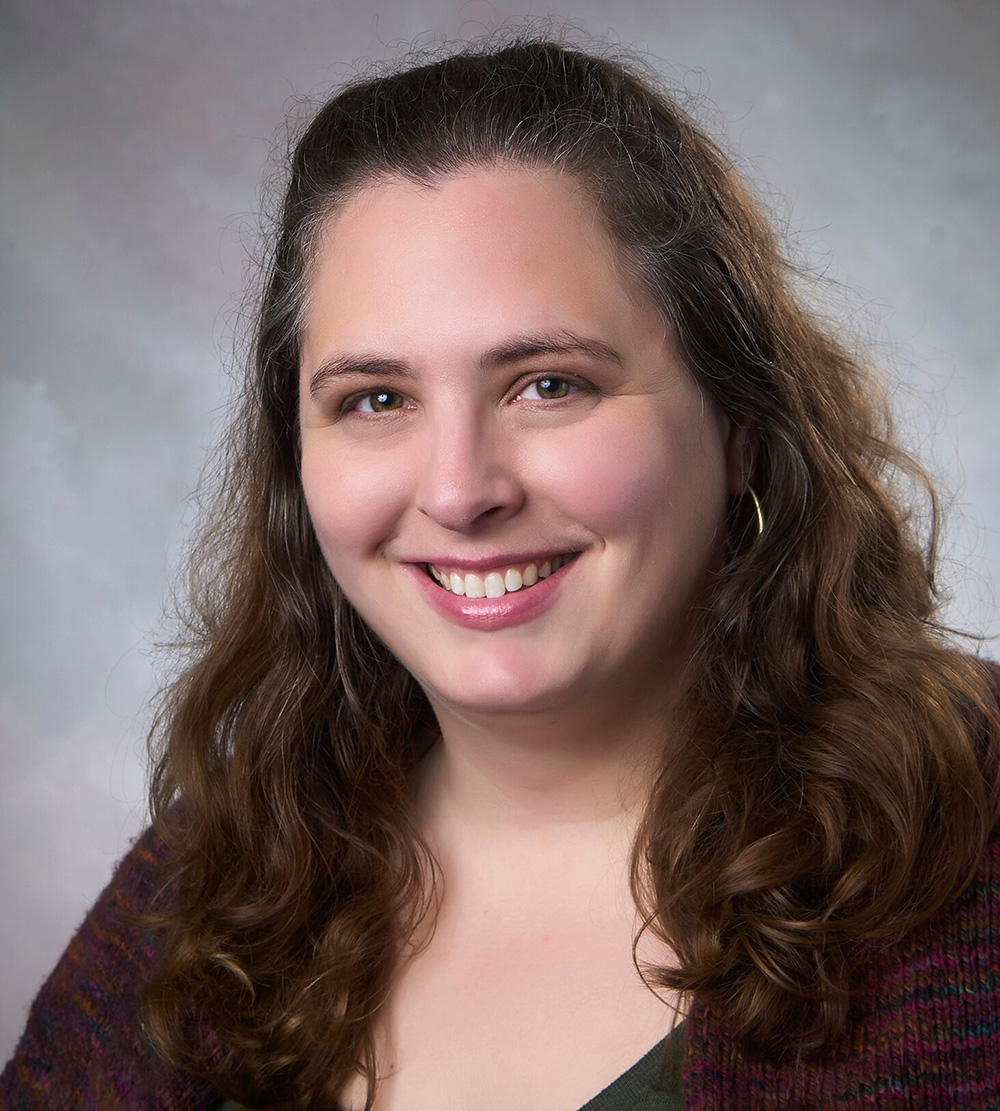
Julie Phillips, MD, is a nationally recognized family physician, scholar, and educator, she has shaped both the academic development of medical students and the broader policy landscape of Family Medicine. As professor and chair of the Department of Family Medicine at Michigan State University College of Human Medicine, Dr Phillips has provided visionary leadership. Her tenure has advanced students and scholars through initiatives such as the MSU College of Human Medicine 1964 Project Award.Under her guidance, the department has gained national prominence while she continues to conduct influential research and provide comprehensive clinical care. Her scholarship focused on medical student career choice, debt, and the family medicine workforce, has directly influenced state and national policy. Her seminal studies on medical student debt have informed legislative testimony in multiple states, and her numerous publications, including several STFM Distinguished Papers, have clarified how institutional practices shape the primary care pipeline. Policymakers and institutions have adopted her findings to strengthen strategies that expand the primary care workforce.Equally impactful is her mentorship. Dr Phillips has cultivated a generation of family medicine scholars and educators, consistently uplifting early-career colleagues, residents, and students through generosity, collaboration, and rigor. As a founding associate editor of PRiMER and editorial board member for Family Medicine and other journals, she continues to shape the scholarly voice of the discipline.
The Lynn and Joan Carmichael STFM Recognition Award honors an STFM member or nonmember for outstanding leadership in advancing family medicine as a discipline. The nominee's achievements and activities should be clearly recognized as enhancing or supporting family medicine education by improving resources available for its support, by defense or support of its objectives, or by other notable service to the discipline. Such achievements should have had significance at a national level.
STFM Advocate Award
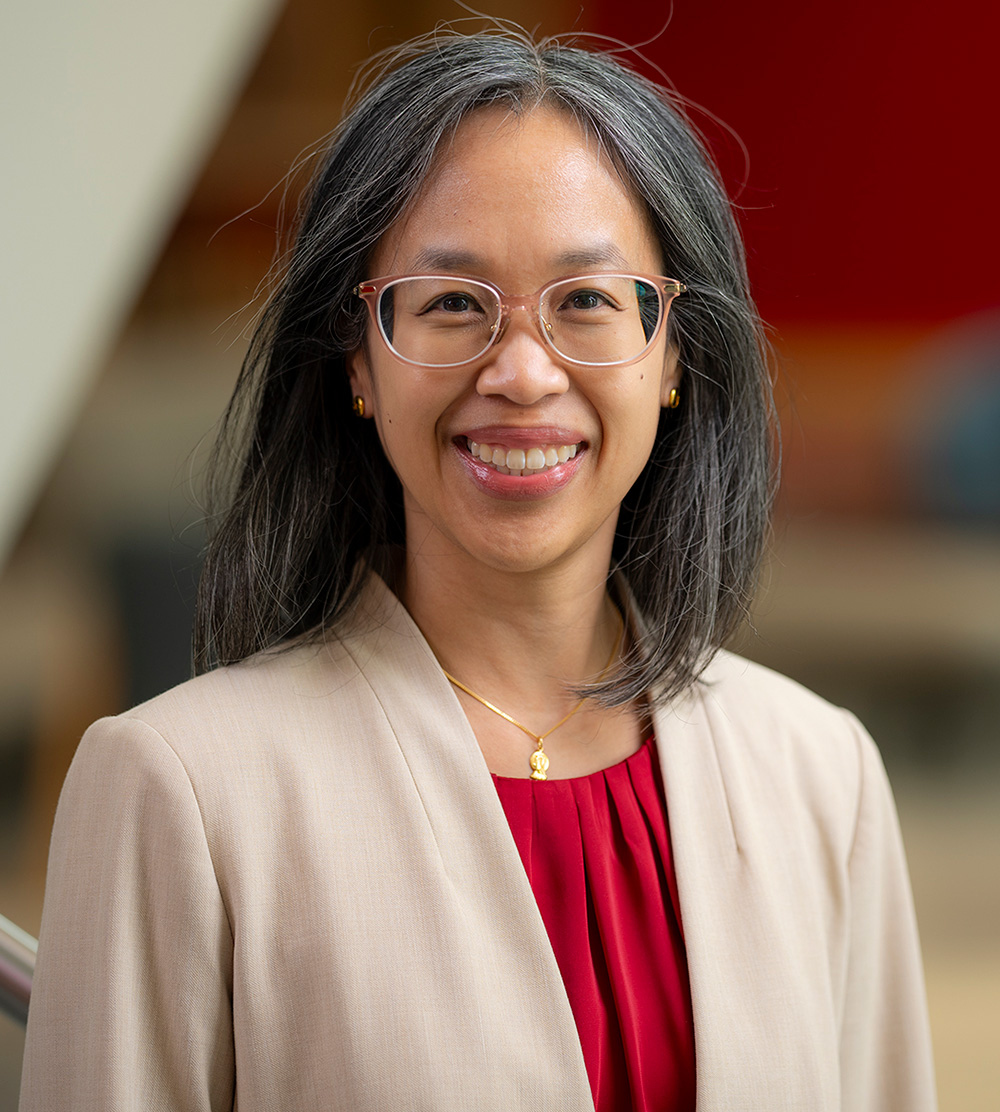
Bich-May Nguyen, MD, MPH, is an accomplished physician, educator, and national leader whose work embodies the advocacy mission of family medicine. A founding faculty member at the University of Houston Tilman J. Fertitta Family College of Medicine, she has built her career at the intersection of clinical practice, health policy, and education.As director for Physicians, Patients, and Populations, a required pre-clerkship course, Dr Nguyen has redefined how advocacy is taught in medical education, integrating subjects such as microaggressions, voting rights, and social justice into the foundation of training. Her innovative approach equips students to recognize and address structural inequities in health care.Nationally, Dr Nguyen has had transformative influence through her leadership with Doctors for America (DFA), where she serves on the Board of Directors and co-directs the A. Gene Copello Health Advocacy Fellowship. This yearlong program trains physicians and trainees in practical advocacy skills, legislative engagement, media strategy, and grassroots organizing. Under her guidance, graduates have gone on to testify before legislatures, work for US senators, and implement advocacy curricula at their own institutions.As guest editor for Family Medicine’s special issue on racism, conceived before the national reckoning of 2020, Dr Nguyen helped center racial justice in academic discourse. As principal investigator for NIH-funded projects exceeding $500,000, she has led community-based research to improve COVID-19 vaccination and trial participation among Vietnamese Americans, generating evidence that informs outreach and public health strategies nationwide.Through her teaching, national leadership, and community-engaged research, Dr Nguyen has created a far-reaching legacy of empowerment and systemic change. Her leadership is marked by empathy, intellect, and conviction. She is an extraordinary advocate whose work continues to elevate the discipline of family medicine.
//www.stfm.org/awardsscholarships/awards/stfm-advocate-award/The STFM Advocate Award honors STFM member(s) for outstanding work in political advocacy at the local, state, or national level. The recipient's efforts are not restricted to legislative work but cannot be solely individual patient advocacy.
STFM Diversity Award
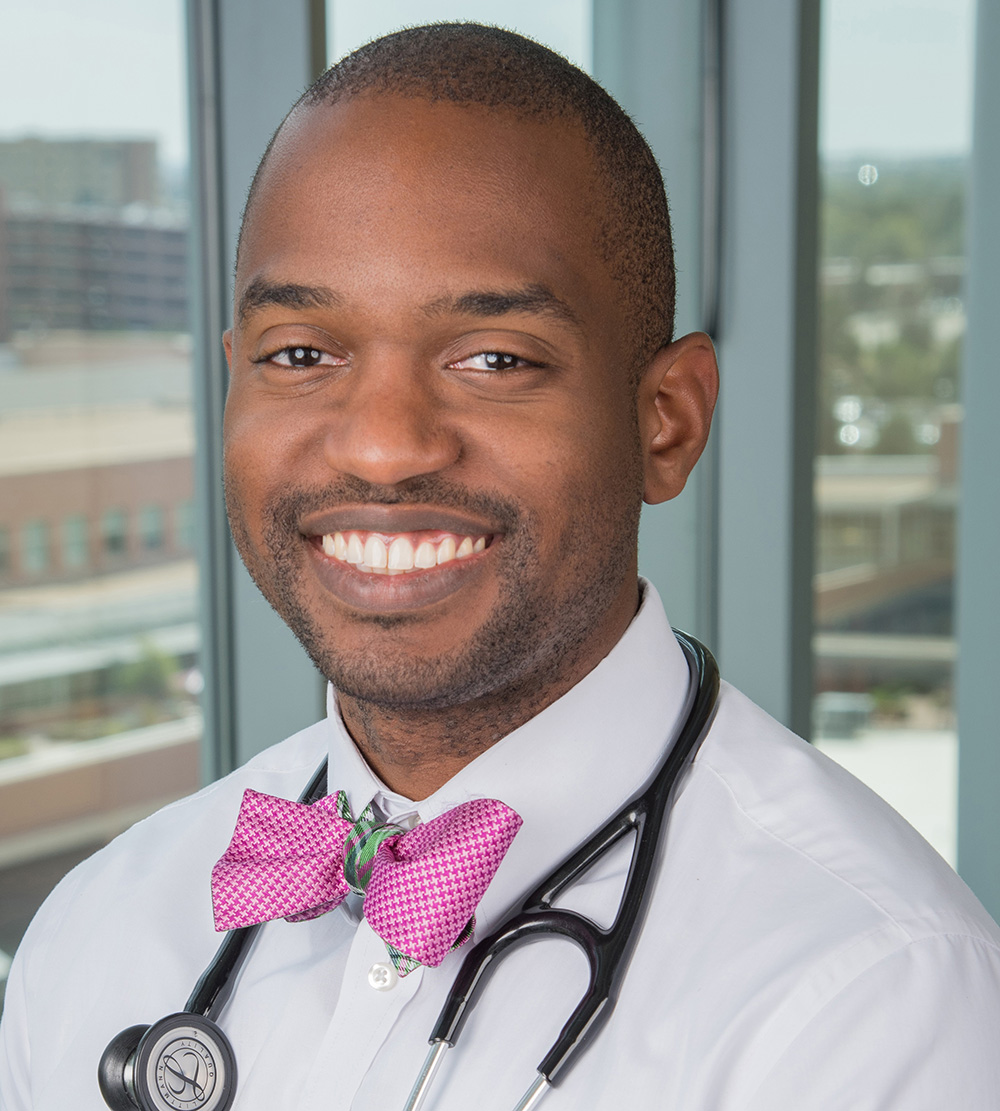
Cleveland Piggott, MD, MPH, is an associate professor and family medicine vice chair for Departmental Engagement at the University of Colorado Anschutz. A graduate of the University of North Carolina, where he earned both his MD and MPH, Dr Piggott completed his residency at the University of Colorado and joined the faculty shortly thereafter. He co-founded the Resident Social Justice Working Group and has led numerous initiatives addressing the social determinants of health, including the development of the department’s Medical-Legal Partnership and community engagement programs.As vice chair, Dr Piggott created the departmental “Justice League,” a team of faculty and staff champions who have reshaped hiring practices through holistic review and implicit bias training. His “It Starts with You” training model has become a cornerstone for DEI education and recruitment strategies across the institution.Nationally, Dr Piggott has served on multiple STFM and Council of Academic Family Medicine task forces and has presented widely on equitable recruitment, faculty development, and leadership pathways for underrepresented groups. His extensive scholarly work, including over 25 publications, reflects his enduring commitment to making family medicine a more inclusive and socially accountable discipline.STFM’s Diversity, Equity, Inclusion, and Accessibility Committee selected Dr Piggott for the 2026 Diversity Award due to his work on diversity and equity at the University of Colorado, within the greater community, in the state of Colorado, and nationally with STFM and CAFM. From vice chair of Diversity, Equity, and Inclusion, to board president of Colorado Academy of Family Physicians, to STFM’s Antiracism Task Force and URM Initiative Work Group, Dr Piggott has taken on leadership opportunities at every level and contributed to creating a more diverse family medicine workforce.
The STFM Diversity Award recognizes an STFM member who promotes innovative leadership, impact, and change that advances diversity, equity, and/or inclusion in family medicine education through the nominee’s work as a family medicine faculty member. Priority is given to work with underrepresented minorities in medical education.
STFM Excellence in Education Award
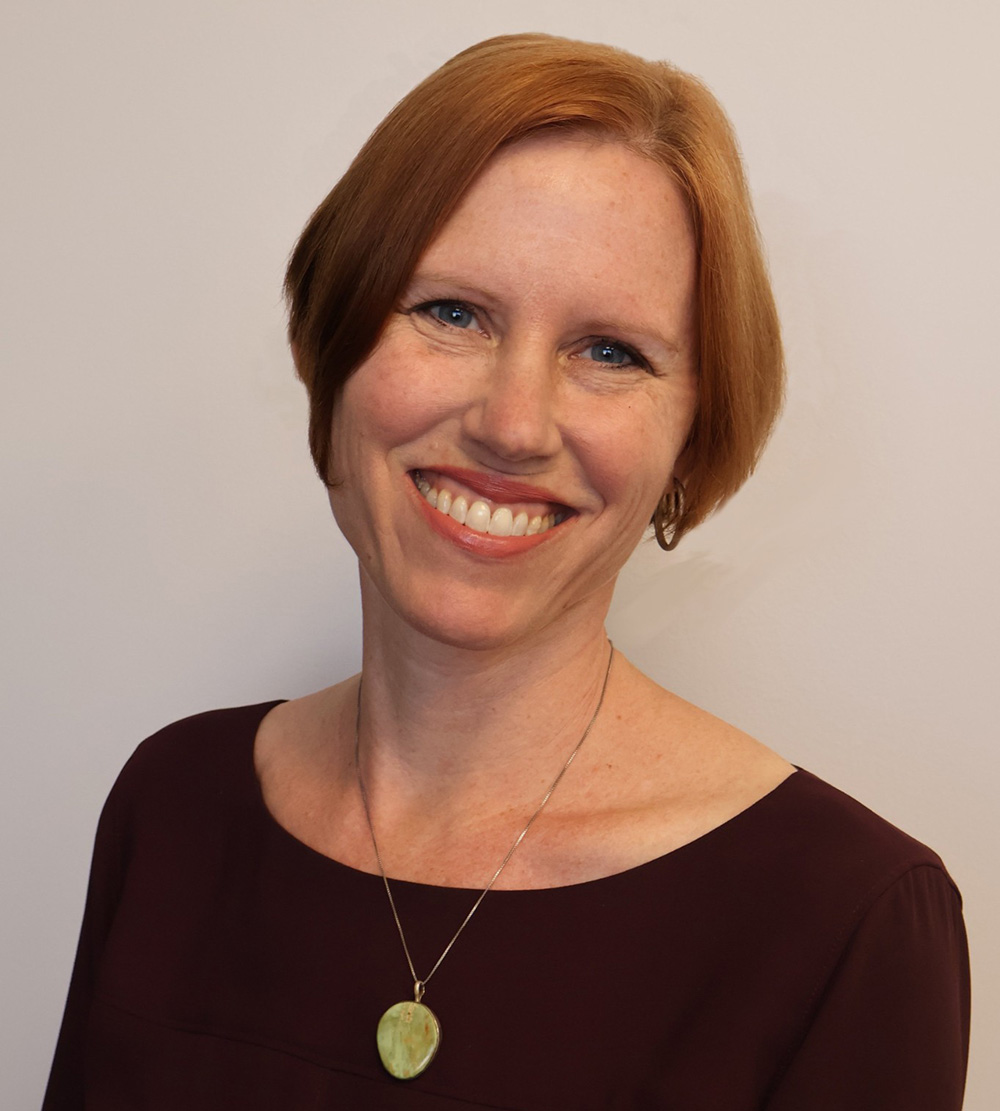
Katherine T. Fortenberry, PhD, exemplifies excellence, leadership, and innovation in family medicine education. As clinical professor in the Department of Family and Preventive Medicine at the University of Utah and Director of Behavioral Science Education for the Family Medicine Residency Program, she has profoundly shaped behavioral health integration in medical training.Dr Fortenberry’s curriculum innovations in addiction medicine, trauma, sleep, and physician wellness have influenced national models of residency education. She has secured over $10 million in grant funding to advance research in behavioral science and family medicine, underscoring her impact as both educator and investigator.A dedicated mentor and national leader, Dr Fortenberry has guided countless doctoral students, residents, and faculty through clinical, scholarly, and professional development. Through her leadership in the STFM New Faculty Scholars Program, Behavioral Science/Family Systems Educator Fellowship, and as an STFM Foundation Trustee and CERA Research Mentor, she has strengthened the academic community and inspired emerging educators. With more than 35 peer-reviewed publications, multiple book chapters, and award-winning presentations, Dr Fortenberry’s scholarship and mentorship continue to elevate the discipline of family medicine nationwide.
Designed to honor outstanding teachers, the STFM Excellence in Education Award recognizes an STFM member who has demonstrated excellence in teaching, curriculum development, mentoring, research, or leadership in education at regional or national levels. Nominees must have sustained involvement in family medicine education.
STFM Innovative Program Award
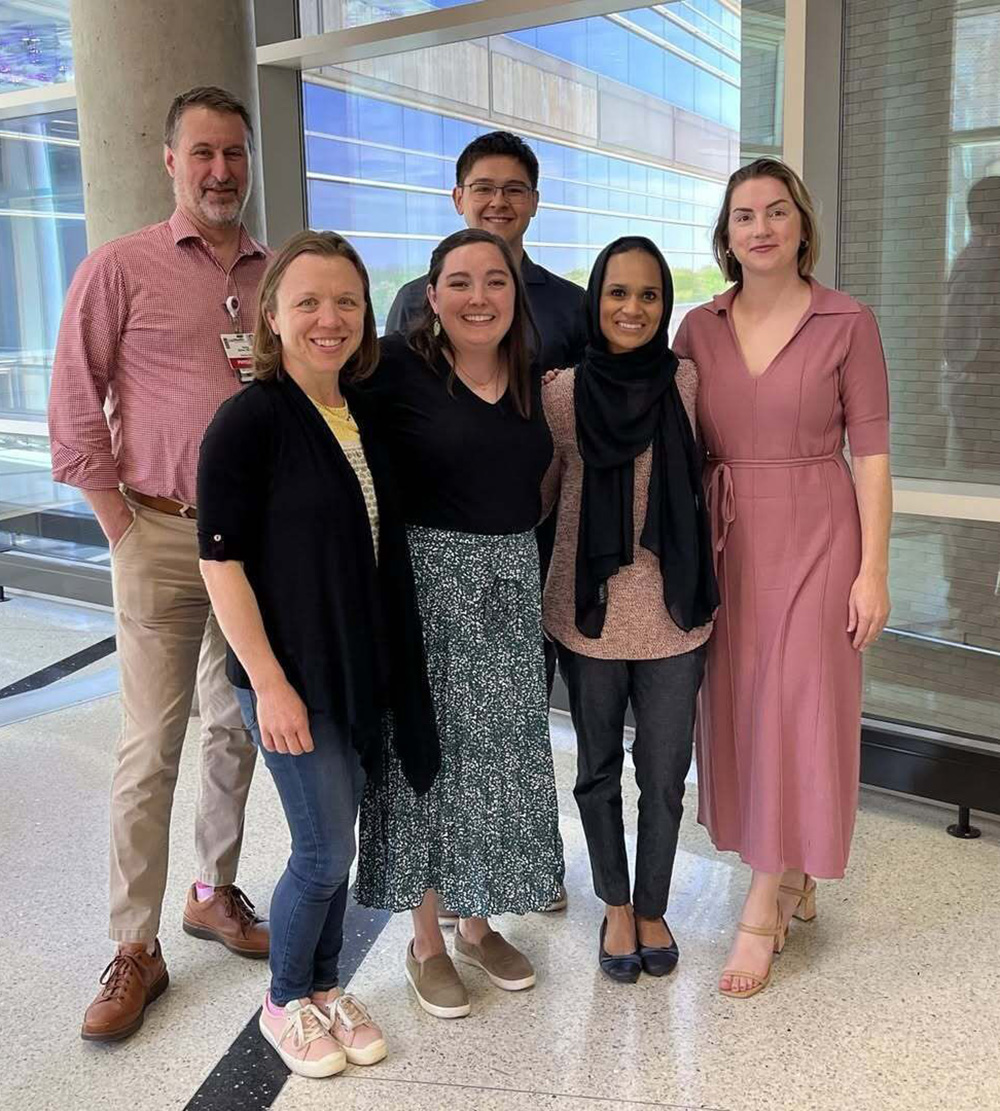
The PROTEA Program demonstrates exemplary innovation and leadership in advancing prevention and treatment for substance use disorders and co-occurring conditions through an integrated, transdisciplinary model. Grounded in family medicine and public health principles, PROTEA aligns research, education, clinical care, and community engagement to promote compassionate, evidence-based, stigma-free approaches to care.Through statewide initiatives such as Project ECHO, the UW Addiction Consultation Line, the Rural Health and Substance Use Clinical Support Series, and comprehensive faculty development, PROTEA has built a robust network of clinicians and educators equipped to deliver high-quality addiction care across Wisconsin. Its fellowship in Addiction Medicine, nationally accredited and recognized as a model by the American Board of Addiction Medicine, extends this impact by training the next generation of interprofessional leaders in addiction care.PROTEA’s regional influence and sustained impact are reflected in its deep partnerships with UW Health and community-based organizations across Wisconsin, creating scalable systems that reach urban and rural populations alike. Its innovative educational and clinical models strengthen family medicine training, improve patient access, and foster collaboration across health disciplines and geographic boundaries.By translating research findings into accessible, practical education and clinical interventions, PROTEA not only advances the science and practice of addiction medicine but also transforms the culture of care through compassion, equity, and inclusion.
The STFM Innovative Program Award honors excellence in the development of an original educational program or activity for family medicine residents, students, or faculty. The award recognizes a broad interpretation of innovative family medicine programs to include innovative residency programs, clerkships, services, curricula, or other activities that have had a significant, positive impact on family medicine education.
CERA Paper of the Year Award
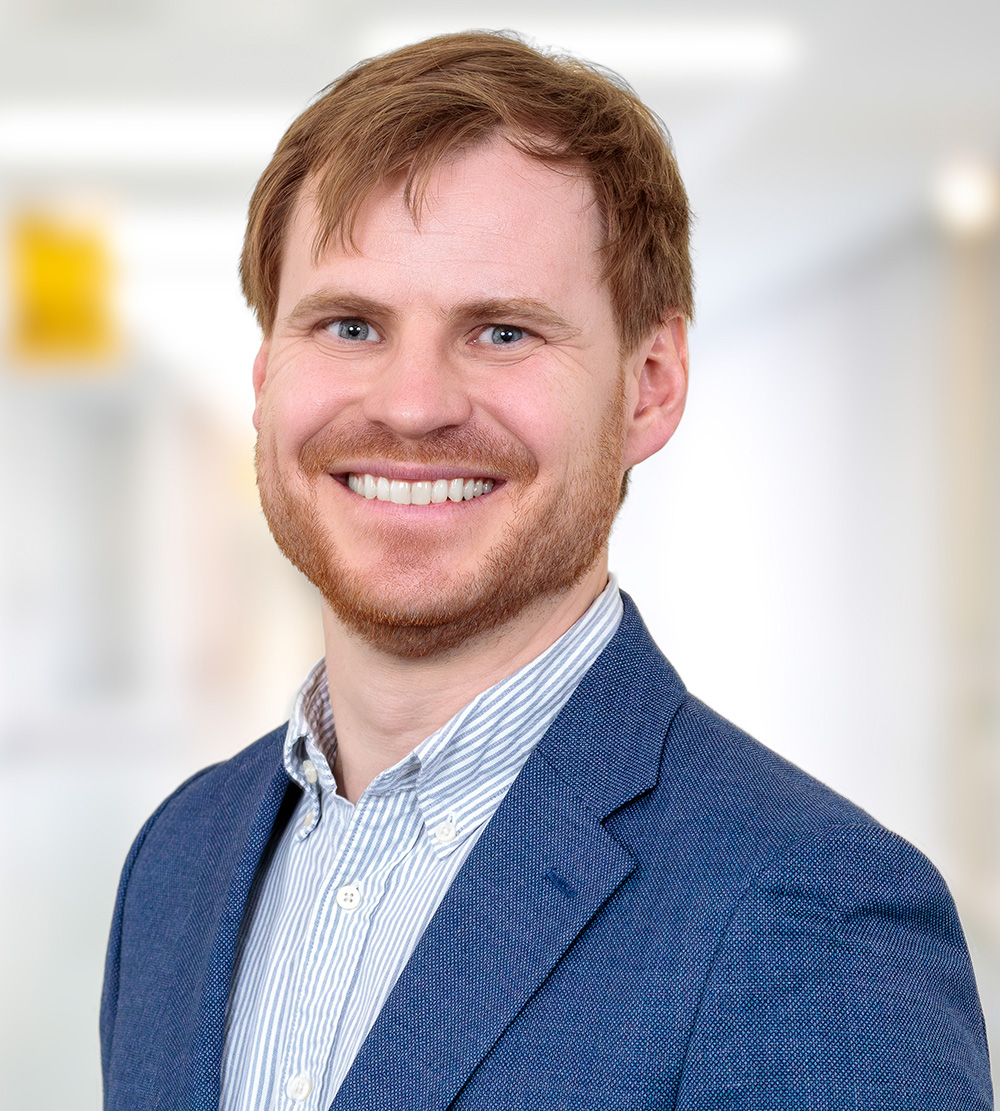
“Loneliness among family medicine providers and its impact on clinical and teaching practice”Frank Mueller, MD, PhD, MSc, Amin K. Charara, MD, Harland T. Holman, MD, Eric D. Achtyes, MD, MSBackground: Social isolation and loneliness (SIL) are increasingly recognized as health risks.Objective: This study examines family medicine providers’ personal experiences with SIL, their perspectives on its importance in clinical practice, and their readiness to incorporate it into medical education.Methods: A cross-sectional survey was conducted by CERA among members of major US academic family medicine organizations between October and November 2024. Responses on the 3-item UCLA Loneliness Scale and items assessing attitudes toward SIL in clinical practice and medical education were analyzed using descriptive and bivariate statistics.Results: Among 1004 respondents, 27.8% had sum scores ≥ 6 on the 3-item scale, indicating considerable loneliness. SIL was particularly prevalent among women (31.1%), underrepresented minorities (36.1%), and Black/African American respondents (40.3%). While 54.1% rated SIL as important in family medicine and 68.2% supported regular screening, only 32.5% agreed that managing SIL falls within clinicians’ responsibility. Providers experiencing SIL themselves reported less frequent patient discussions about loneliness (23.7% vs. 32.0%, p = 0.023) and fewer community partnerships. Most respondents (71.0%) reported inadequate resources in their clinics to address SIL.Conclusion: Family medicine educators experience substantial rates of loneliness, particularly among minority groups, at levels exceeding those of their patients and the general population. Before implementing widespread screening initiatives, the profession must address both providers’ own social connectedness needs and the development of practical clinical resources.Frank Mueller, MD, PhD, MSc, et al. / Sci Rep (2025) 15:15988.
The CERA Paper of the Year Award recognizes a CERA paper published in a peer-reviewed journal between July 1, 2024, and June 30, 2025. This award is selected by the CERA steering committee.
STFM Research Paper of the Year Award
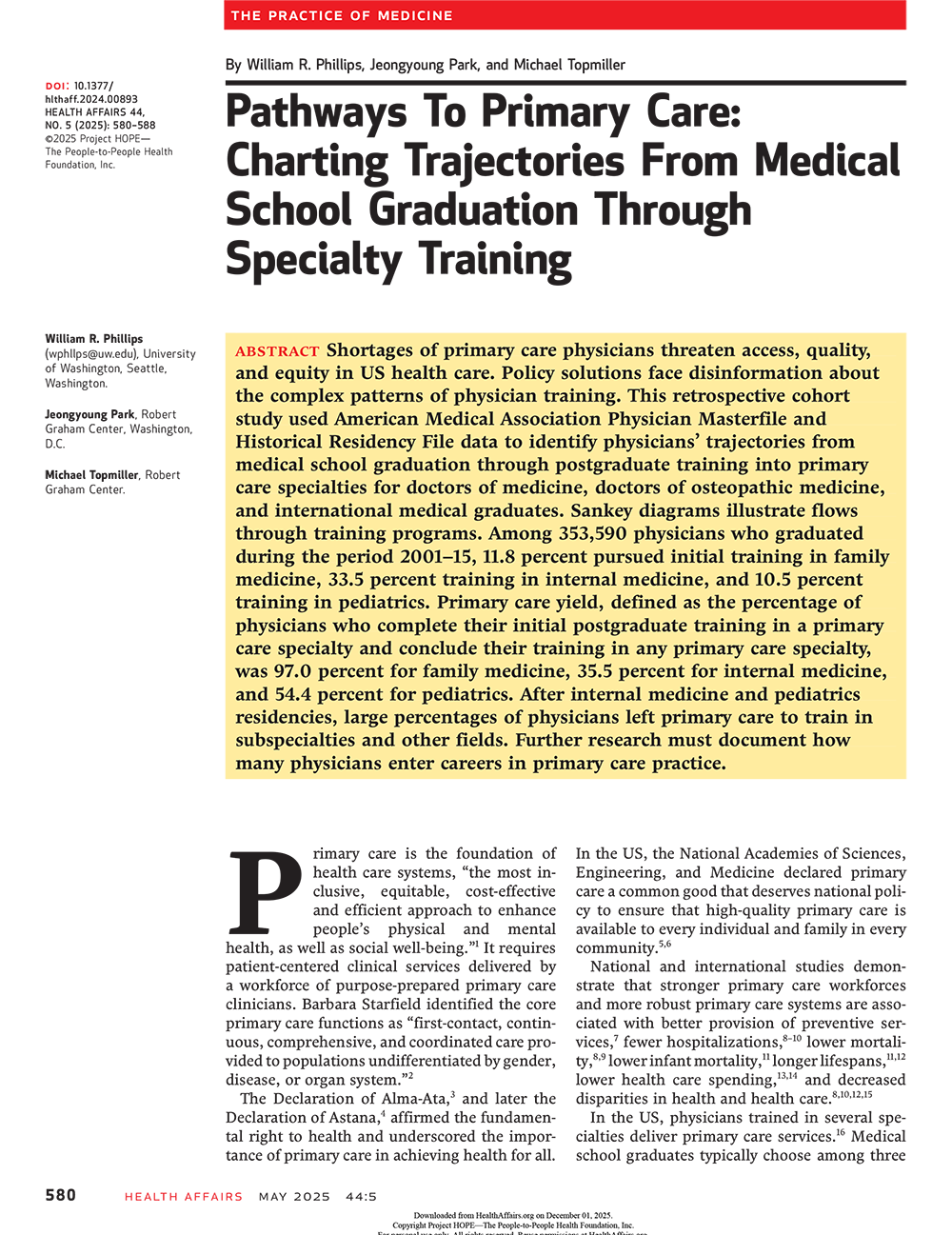
“Pathways to Primary Care: Charting Trajectories From Medical School Graduation Through Specialty Training”William R. Phillips, MD, MPH, Jeongyoung Park, PhD, Michael Topmiller, PhDBackground: Shortages of primary care physicians threaten access, quality, and equity in US health care. Policy solutions face disinformation about the complex patterns of physician training.Objective: This retrospective cohort study used American Medical Association Physician Masterfile and Historical Residency File data to identify physicians’ trajectories from medical school graduation through postgraduate training into primary care specialties for doctors of medicine, doctors of osteopathic medicine, and international medical graduates. Sankey diagrams illustrate flows through training programs.Results: Among 353,590 physicians who graduated during the period 2001–15, 11.8% pursued initial training in family medicine, 33.5% training in internal medicine, and 10.5% training in pediatrics. Primary care yield, defined as the percentage of physicians who complete their initial postgraduate training in a primary care specialty and conclude their training in any primary care specialty, was 97% for family medicine, 35.5% for internal medicine, and 54.4% for pediatrics.Conclusion: After internal medicine and pediatrics residencies, large percentages of physicians left primary care to train in subspecialties and other fields. Further research must document how many physicians enter careers in primary care practice.William R. Phillips, MD, MPH, et al. / Health Affairs (2025) 44(5):580–588.
The STFM Research Paper of the Year Award recognizes a research paper published in a peer-reviewed journal the previous July 1 through June 30. The first author must be an STFM member.
STFM President’s Awards
Winner: Nina DeJonghe, MPP, CAFM Director of Government Relations
Winner: STFM Artificial Intelligence in Medical Education Task Force
- Steven Lin, MD, Stanford University — Chair
- Rika Bajra, MD, Stanford University
- Ian Bennett MD, PhD, University of Washington
- Linda Chang, PharmD, MPH, MHPE, BCPS, University of Illinois at Rockford
- Enitza George, MD, MBA, MSAI, SUNY Downstate Health Sciences University
- Karim Hanna, MD, University of Southern Florida TGH FMR Program
- John Hayes, DO, MCW-Prevea Green Bay FMR Program
- Misbah Keen, MD, MBI, MPH, University of Washington
- Winston Liaw, MD, MPH, University of Houston
- May Lin, DO, Touro University
- Yun Shi, MD, PhD, University of Texas Health, San Antonio
- Margaret Ann Smith, MBA, Stanford University
- Brent Sugimoto, MD, MPH, LifeLong Medical Care FMR Program
- Rod Suman, Society of Teachers of Family Medicine
- Mary Theobald, MBA, Society of Teachers of Family Medicine
- Timothy Tsai, DO, MMCi, Stanford University
- Steven Waldren, MD, American Academy of Family Physicians
- Yun Liu, PhD, Google Research