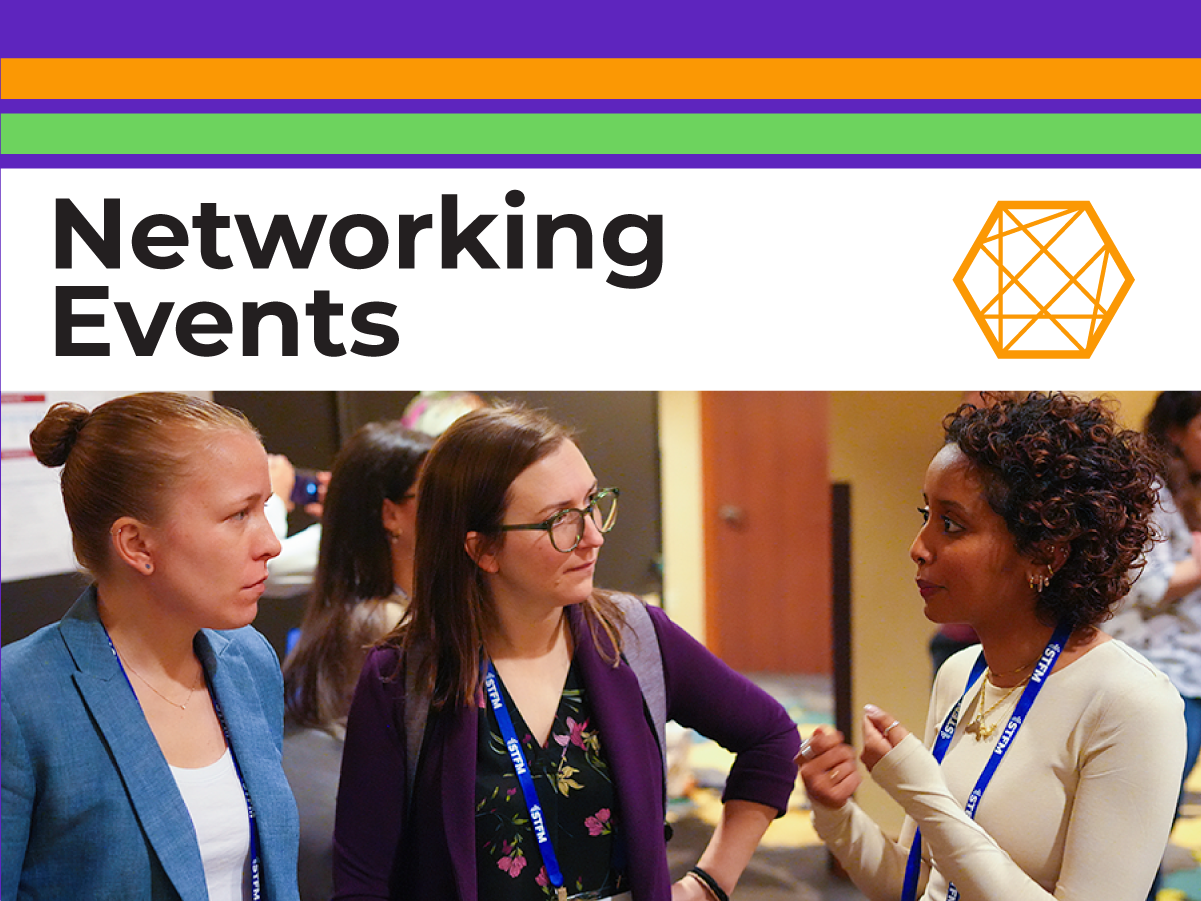
Information About Optional Networking Events
Meeting of STFM Collaborative Chairs and Board of Directors
When: Saturday, May 2, 5:30–6:30 pmWhere: Marriott New OrleansAt this meeting, Group Chairs will meet their STFM Board Liaisons to learn about STFM programs and resources available to STFM Collaboratives and get answers to any questions you might have.
2026 STFM Awards Program and Welcome Reception – Celebrating Our Shining Stars
When: Sunday, May 3; 3:45–5:15 pmWhere: Marriott New OrleansGather your friends and colleagues and join us for a celebration of STFM members who exemplify the very best in our discipline. We will honor their contributions to family medicine education and recognize the positive difference they have made in the lives of their learners, colleagues, and patients, as well as the communities in which they live and serve. Come participate in the fun, energy, and music—you are sure to be moved by the creativity and commitment of the awardees. Our conference Welcome Reception with our conference partners immediately follows to keep the celebration going.
STFM Annual Poetry and Prose Contest and Reading
When: Sunday, May 3, 6:15–7:30 pmWhere: Marriott New OrleansEntries are open for the 2026 Poetry & Prose Contest. The theme is "The Waiting Room".To be entered into the contest, complete and send this cover sheet and your entry as Word or PDF file to enitcher@stfm.org by February 16, 2026.
STFM Foundation Marathonaki Fun Run/Walk
When: Monday, May 4, 6:15–7:15 amWhere: Marriott New OrleansSocialize with colleagues, get some exercise, and raise money for the STFM Foundation at the STFM Foundation Marathonaki Run/Walk. We recommend a $50 tax-deductible donation, which includes a T-shirt. However, you are not required to donate to participate.
Wellness Afternoon Optional Activities
New Orleans Art Walk–Visual Thinking Strategies TourWhen: Monday, May 4, 2–4 pmWhere: To Be DeterminedCost: FreeParticipant Limit: 25This elective session is an interactive, participatory group experience in which we will look at art together according to the Visual Thinking Strategies approach (VTS).As detailed in this journal article, the integration of medical humanities in resident education provides a rich, often enjoyable and refreshing experience for exploring the power of seeing with sustained attention, deep reflection, communal listening and team bonding, and the development of empathy. The VTS teaching methodology invites all participants to express their opinions of an artistic piece, receive positive affirmations for their contributions, value the contributions of others to deeper seeing what may not be initially visible, and to sustain attention on the artistic work.This 2-hour session includes the viewing of art followed by debriefing and explaining the VTS approach, along with a conversation about applications to teaching. The final half hour provides an opportunity for participants to visit art on their own or in small groups, and to practice looking at art as we had done together as a group.
STFM Foundation “MediPalooza” at Mulates
(A fundraiser for the STFM Foundation)When: Monday, May 4, 5–7:30 pmWhere: Mulate's restaurant in New OrleansEnjoy an epic evening of music and fun while making connections with new and old friends at MediPalooza, an annual fundraiser for the STFM Foundation!To purchase a Bronze sponsorship (8 tickets) or individual tickets, visit the MediPalooza webpage.
Creating a Wellness Plan for Your Financial Life
When: Tuesday, May 5, 12:30–1:30 pmWhere: Marriott New OrleansCost: FreeParticipant Limit: 75Join the STFM Foundation and Stephen Dunbar III, JD, CLU, executive vice president of Southeast Complex and Financial Advisor with Equitable Advisors, who will discuss getting started with a savings plan, maximizing benefits from a retirement plan, insurance, education, and estate planning.
STFM Collaboratives and Special Project Teams Meetings
STFM Collaboratives and Special Project Teams will have several opportunities to meet at the 2026 Annual Spring Conference. These meetings are open to all members who would like to get involved. A signup sheet will be sent out to Collaboratives in early January to select meeting options. A final list of meetings with dates/times will be provided on the STFM Website and in the conference mobile app. Contact Emily Nitcher if you have questions.
New Faculty Scholars Presentations
(Powered by the STFM Foundation)Designed to be a catalyst for developing future STFM and academic family medicine leaders. The New Faculty Scholars program provides one year of coaching, learning, and networking opportunities both with senior leadership and other new faculty. Program funded by STFM Foundation. For more about the program go to this link. To view these scholars’ presentations, use the track designation (NFS) when you search for sessions online.
Questions?
If you have questions about this conference, contact Kim Sevedge at (800) 274-7928 or the email link below.
CONTACT STAFF WITH QUESTIONS