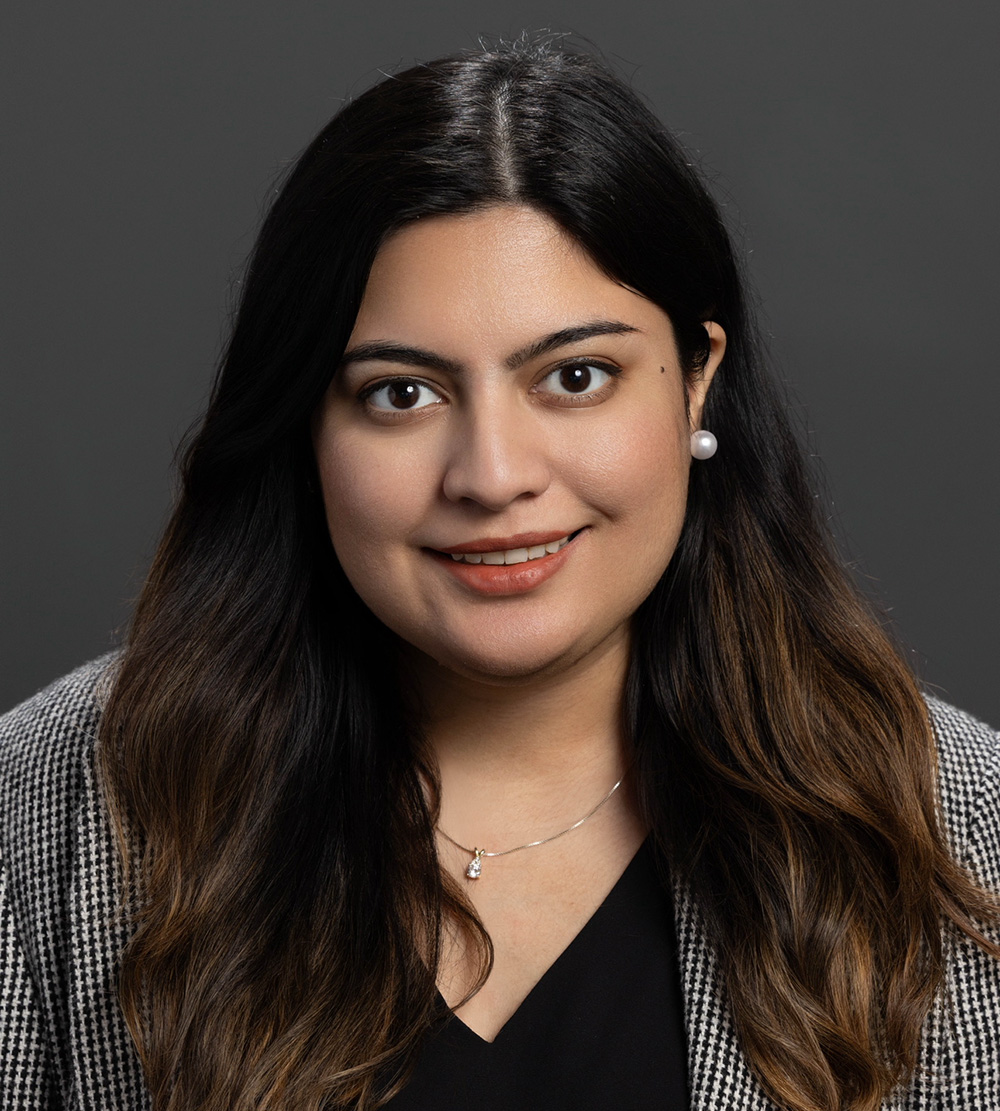
Shehar Bano Awais, MD
Shehar Bano Awais, MD, is a resident at WellSpan Good Samaritan Hospital FMR Program in Lebanon, PA. She is a 2026 recipient of a STFM Foundation Faculty for Tomorrow Resident Scholarship.
Dr Awais' Family Medicine Story
Why are you interested in teaching family medicine?
Dr Awais: Knowledge and teaching have always been at the heart of medicine. Every scientific discovery, treatment, and advancement was only possible because someone shared their knowledge and built upon the work of others. In medicine, learning is continuous. Each year brings new evidence, updated guidelines, and newer treatment methods. As a PGY-3 resident, I recognize how deeply my growth has depended on those who were willing to teach me. I often think of my attending who, whenever I asked, “Can I ask you a question?” would warmly respond, “Always.” That openness and generosity of spirit is the same attitude I aspire to carry forward. My journey, growing up in Canada, studying medicine in Pakistan, and training in the US, has given me a unique perspective on how culture and health care systems shape patient care. As an international medical graduate, I understand how sharing knowledge not only makes us better physicians but also keeps us open-minded and adaptable.
Teaching has been a natural part of my life from the start. Helping those who come after me has always been a personal goal, because making their path a little easier is both rewarding and meaningful. From helping my younger sister with schoolwork to leading study sessions in medical school, I have always found joy in guiding others. Now, as a resident, I deeply enjoy mentoring junior colleagues and seeing them succeed. Experiencing different teaching styles has also helped me choose the kind of educator I want to be; one who is approachable, supportive, and committed to lifelong learning.
Throughout residency, I have actively engaged in STFM conferences, including both the STFM Annual Spring Conference and the STFM Conference on Practice Quality & Improvement. I am now applying for a faculty position after residency, and this scholarship would allow me to connect with like-minded educators, strengthen my teaching skills, and continue contributing to the future of family medicine. Teaching is not just about imparting knowledge; it is about building meaningful connections and shaping the next generation of physicians. That is the role I am most excited to embrace.
How do you think you can make a difference in the future of family medicine?
Dr Awais: I believe the future of family medicine lies in the hands of the next generation of physicians, and I want to play an active role in shaping it. As a resident, I have seen firsthand how mentorship, advocacy, and wellness profoundly impact both training and patient care. My passion for family medicine extends beyond the clinical setting. I want to ensure that future physicians are supported, empowered, and equipped to carry this specialty forward. Wellness is especially close to my heart. As a member of my residency’s wellness committee, I have worked to foster a culture of support and compassion. I understand the importance of breaking the cycle of mistreatment that has too often been normalized in medicine. I am proud to be the kind of senior resident I wish I had; someone who remembers to be kind, who gives feedback with care, and who protects those in more vulnerable positions. I believe that if you are in a position of power, you carry a responsibility to protect others. Even small acts of kindness and respect can create lasting change. As Mother Teresa once said, “I alone cannot change the world, but I can cast a stone across the waters to create many ripples.”
Beyond mentorship, I have built strong skills in scholarship and leadership. I have led and contributed to multiple research projects, focusing on increasing scholarly activity within a community-based residency program. This experience has made me deeply aware of the barriers to academic engagement in smaller programs, and I plan to work on breaking those barriers so more residents can thrive as clinician-educators.
In addition, I have served as the Pennsylvania resident delegate to the AAFP Congress of Delegates, where I advocated on behalf of residents and gained invaluable experience in policy and leadership. Advocacy is essential to the future of family medicine, and I intend to instill this mindset in newer physicians. By combining mentorship, wellness, scholarship, and advocacy, I hope to leave a lasting impact- not just on my peers, but on the specialty. Just as a single stone creates ripples that expand outward, I believe each act of kindness, each moment of advocacy, and each shared piece of knowledge can ripple across generations, shaping the future of family medicine for the better.
Contribute to the Creation of the Next STFM Story
Transforming the future of family medicine would not be possible without the generosity of countless STFM members and supporters. Through both member and departmental donations, the STFM Foundation is able to support the pipeline for academic family medicine.
Help transform the future of academic family medicine by donating to the STFM Foundation. If you have questions about the STFM Foundation, contact Mindy Householder at (800) 274-7928 or mhouseholder@stfm.org.