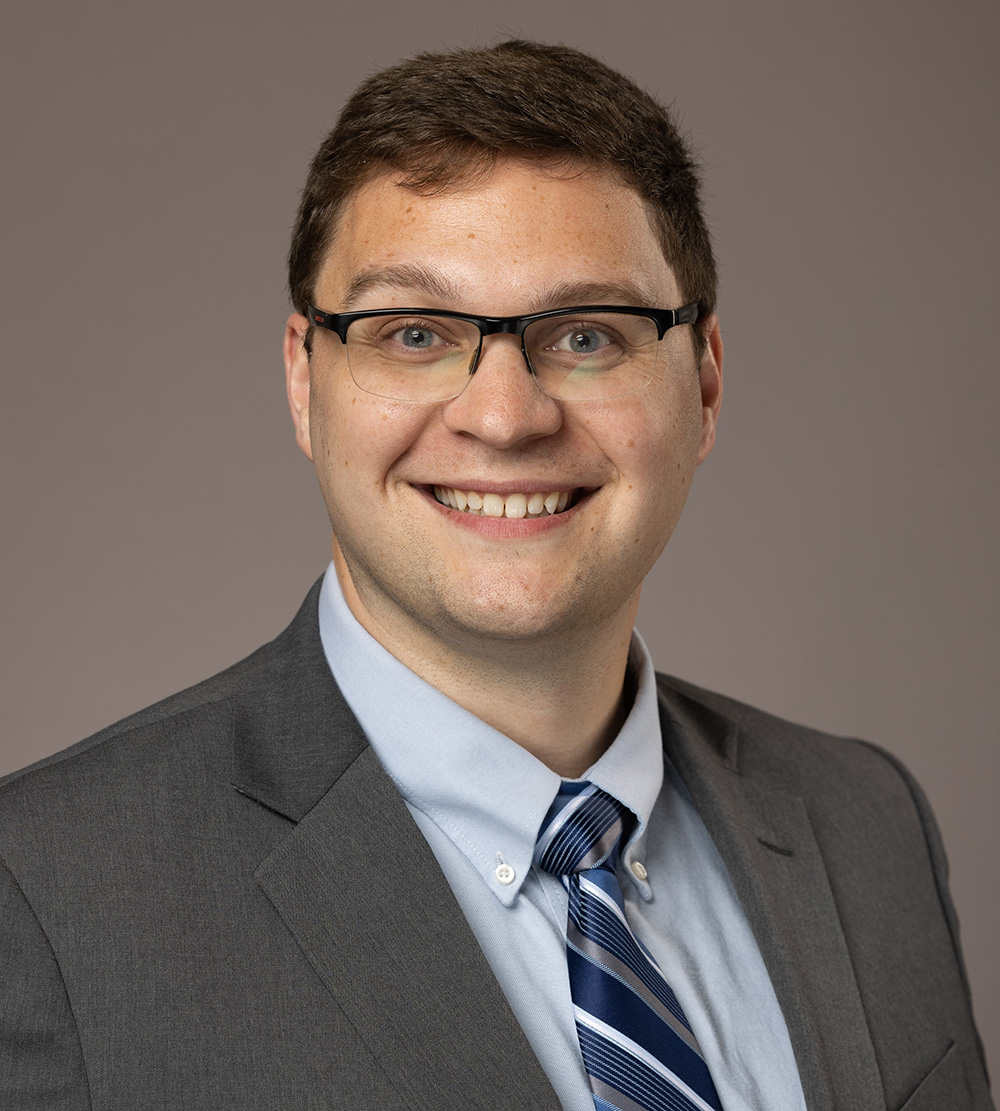
Shawn Plyler, DO
Shawn Plyler, DO, is a resident at the Northwest Washington FMR Program in Washington, DC. He is a 2026 recipient of a STFM Foundation Faculty for Tomorrow Resident Scholarship.
Dr Plyler's Family Medicine Story
Why are you interested in teaching family medicine?
Dr Plyler: Teaching family medicine allows me to bring together two of my greatest passions: educating future physicians and making a lasting impact in the field of medicine. Medical students and residents are not only learners, but also the future leaders and advocates of health care. By helping shape their clinical skills, critical thinking, and patient-centered approach, I see teaching as a direct investment in the future of high-quality, compassionate care.
My commitment to teaching stems from deep gratitude for the many mentors who guided me throughout my own training. Their support, wisdom, and dedication shaped me into the physician I am today, and teaching is my opportunity to give back. I want to be that same source of encouragement, inspiration, and accountability for others entering the field.
One of the most influential figures in my medical journey was Dr. Smith-Kelly, a dedicated family physician and educator who mentored me throughout medical school. Her approach to teaching extended far beyond textbooks. She passed down mottos, clinical pearls, and guiding principles that I still carry with me in practice today. Whether we were discussing a complex diagnosis or navigating a difficult patient interaction, her wisdom was always grounded in compassion, clarity, and a deep respect for the patient as a whole person. Watching her seamlessly transition between the roles of clinician and teacher left a lasting impression on me. She not only shaped how I think as a physician but also inspired me to follow in her footsteps as an educator in family medicine. Her impact is a powerful reminder of how teaching can resonate far beyond the classroom.
I am inspired by the opportunity to help learners grow into well-rounded, thoughtful physicians who see patients as people first. I also value the reciprocal nature of teaching, where learners inspire me to stay curious, examine my own practice, and grow continuously as both a clinician and educator.
Teaching family medicine is not just something I want to do. For me, it is a meaningful way to contribute to the future of health care, honor those who came before me, and support the growth of compassionate, competent physicians who will care for our communities for generations to come.
How do you think you can make a difference in the future of family medicine?
Dr Plyler: I can make a meaningful difference in the future of family medicine by bringing together personal experience, cultural competency, and a deep commitment to the full spectrum of care that defines this specialty. Family medicine’s unique breadth is what initially drew me to it. Throughout my training, I have embraced the privilege of caring for patients across all stages of life, whether delivering newborns, supporting individuals and families through end-of-life care, or anything in between.
One of the areas I am especially passionate about is obstetrics. As a male physician, I recognize that entering this space comes with certain challenges, but I also see it as an opportunity to foster trust, provide respectful care, and advocate for patient choice and safety. The experiences I have had in obstetrics have been some of the most formative of my training, and I hope to encourage future family physicians to see this as a vital and rewarding part of the field.
Another way I aim to make a difference is by improving health care access and equity, particularly for Spanish-speaking and underserved communities. As a bilingual provider, I have seen firsthand how language can be a barrier. Communicating directly with patients in their own language builds trust, improves outcomes, and ensures that they feel seen and understood. I want to be part of the growing movement within family medicine that prioritizes culturally competent care and actively works to close care gaps.
Whether as a clinician, mentor, or teacher, I hope to lead by example by staying grounded in the values of empathy, accessibility, and comprehensive care. The future of family medicine lies in its ability to adapt, to reach patients where they are, and to train physicians who are not only skilled but deeply connected to the communities they serve. I am excited to contribute to that vision.
Contribute to the Creation of the Next STFM Story
Transforming the future of family medicine would not be possible without the generosity of countless STFM members and supporters. Through both member and departmental donations, the STFM Foundation is able to support the pipeline for academic family medicine.
Help transform the future of academic family medicine by donating to the STFM Foundation. If you have questions about the STFM Foundation, contact Mindy Householder at (800) 274-7928 or mhouseholder@stfm.org.