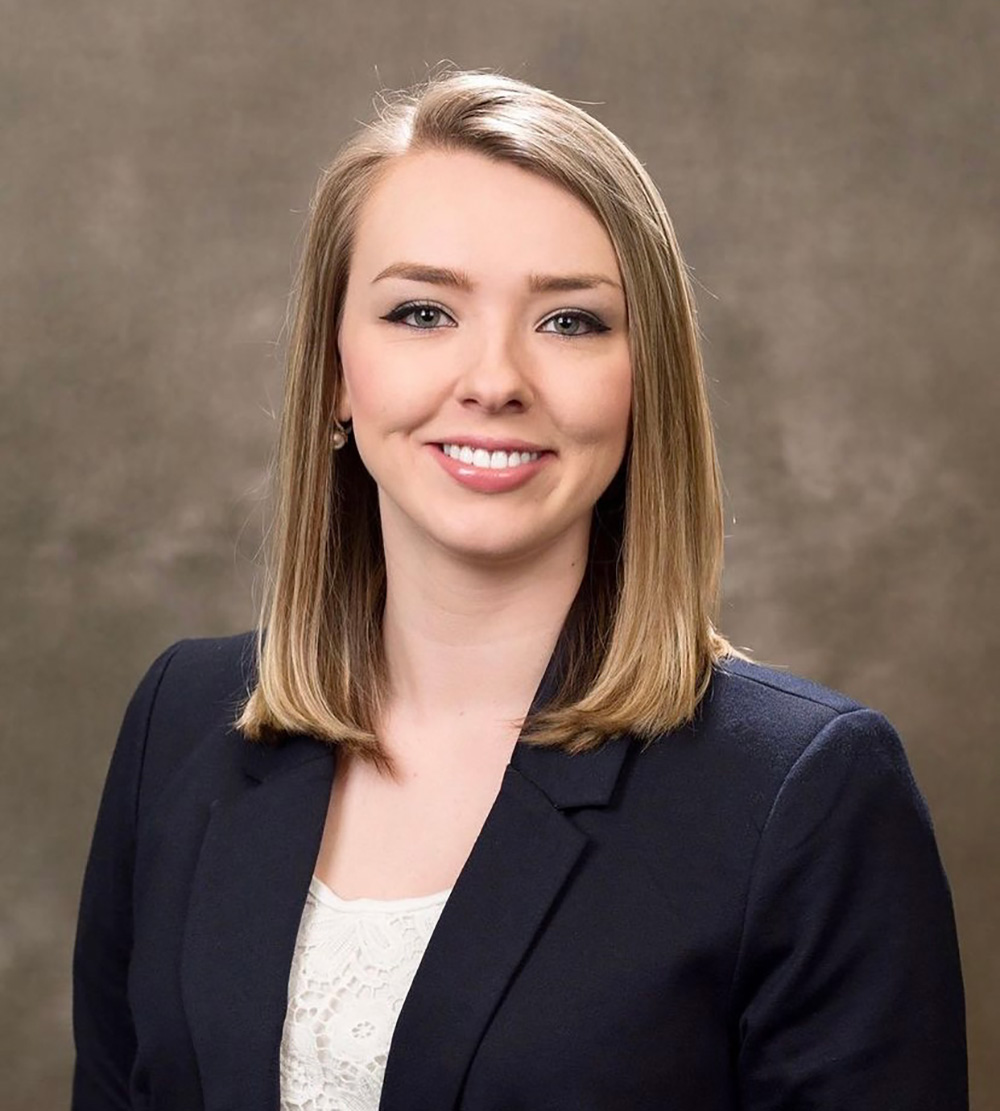
Alexia “Lexie” Weems, DO
Alexia “Lexie” Weems, DO, is a resident at the East Tennessee State University/Quillen College of Medicine (Kingsport) FMR Program. She is a 2026 recipient of a STFM Foundation Faculty for Tomorrow Resident Scholarship.
Dr Weems' Family Medicine Story
Why are you interested in teaching family medicine?
Dr Weems: Family medicine has always resonated with me as the heart of health care—a specialty defined by its breadth, continuity, and deep-rooted relationships with patients and communities. My journey through medical school and residency has only strengthened my conviction that family medicine is not just a career, but a calling. I am inspired to teach family medicine because I believe in its power to transform lives, strengthen communities, and shape the next generation of compassionate physicians.
Teaching family medicine offers a unique opportunity to influence the future of health care at its foundation. Family physicians are often the first point of contact for patients, managing a wide range of conditions across all ages and backgrounds. This role demands clinical acumen, adaptability, empathy, and a commitment to lifelong learning. I am passionate about sharing these values with learners and helping them develop the skills and mindset needed to thrive in this dynamic field.
Throughout my training, I have been fortunate to learn from mentors who modeled patient-centered care, humility, and resilience. Their guidance shaped my approach to medicine and inspired me to pay it forward. I hope to create a supportive learning environment where students and residents feel empowered to ask questions, embrace challenges, and grow both personally and professionally. By fostering curiosity and critical thinking, I aim to instill confidence in future family physicians as they navigate the complexities of primary care. Family medicine is uniquely positioned to address health disparities and promote wellness at the community level. As a teacher, I want to emphasize the importance of social determinants of health, preventive care, and advocacy. I hope to encourage learners to look beyond the exam room, understand the broader context of their patients’ lives, and become leaders in advancing health equity. By integrating these principles into education, we can inspire physicians who are not only skilled clinicians but also compassionate advocates for their patients and communities.
Teaching also offers the privilege of continual growth. Medicine is constantly evolving, and engaging with learners challenges me to stay current, question assumptions, and refine my own practice. The reciprocal nature of teaching—where both educator and student learn from one another—fuels my enthusiasm for academic medicine.
Ultimately, I want to teach family medicine because I believe in its mission and its people. I am committed to nurturing the next generation of family physicians who will carry forward the values of comprehensive, compassionate, and community-oriented care. By investing in education, I hope to make a lasting impact—not only on individual learners but on the countless patients and families they will serve throughout their careers.
How do you think you can make a difference in the future of family medicine?
Dr Weems: Family medicine represents everything I value about medicine—continuity, compassion, and connection. It is where science meets humanity, where relationships form the foundation of healing, and where small, consistent efforts can create lasting change. As I look toward my future, I believe I can make a difference in family medicine by combining three passions: patient-centered care, medical education, and community advocacy.
First, I hope to model and promote a deeply human approach to care—one that prioritizes understanding patients in the context of their lives. In family medicine, we are privileged to witness the full spectrum of health and illness, birth and aging, hope and loss. I want to use that perspective to build trust and empower patients to take an active role in their health. I believe that listening carefully, respecting individual stories, and partnering with patients in decision-making are small acts that ripple outward, strengthening both individual and community well-being.
Second, I aspire to make an impact through teaching and mentorship. My own journey has been shaped by mentors who saw potential in me before I saw it in myself. They taught me not only how to practice medicine, but how to think critically, stay curious, and care deeply. I want to pass that forward—to inspire students and residents to see family medicine not as a fallback, but as a field of limitless opportunity. Through teaching, I can help cultivate the next generation of family physicians who are adaptable, compassionate, and committed to lifelong learning.
Third, I aim to address the broader forces that shape health beyond the clinic walls. Family physicians are uniquely positioned to see how social determinants—like housing, access to food, and systemic inequities—affect health outcomes. I want to use my role to advocate for change, whether that means partnering with local organizations, leading community health initiatives, or promoting policies that reduce barriers to care. Advocacy, at its core, is an extension of caring—it’s about ensuring our patients have the conditions they need to thrive. The future of family medicine depends on our ability to evolve while staying true to our roots. Technology, team-based care, and new models of delivery will continue to reshape our field, but the heart of family medicine—relationships—must remain constant. I hope to contribute to this balance: embracing innovation while preserving the values that make family medicine unique.
Ultimately, I want to make a difference by being both a clinician and a catalyst. Whether at the bedside, in the classroom, or in the community, I hope to help others see what I see in family medicine—a field that touches every corner of life, every age, every story. If I can inspire even a few future physicians to choose this path with the same sense of purpose and joy that I feel, I will have made my difference.
Contribute to the Creation of the Next STFM Story
Transforming the future of family medicine would not be possible without the generosity of countless STFM members and supporters. Through both member and departmental donations, the STFM Foundation is able to support the pipeline for academic family medicine.
Help transform the future of academic family medicine by donating to the STFM Foundation. If you have questions about the STFM Foundation, contact Mindy Householder at (800) 274-7928 or mhouseholder@stfm.org.